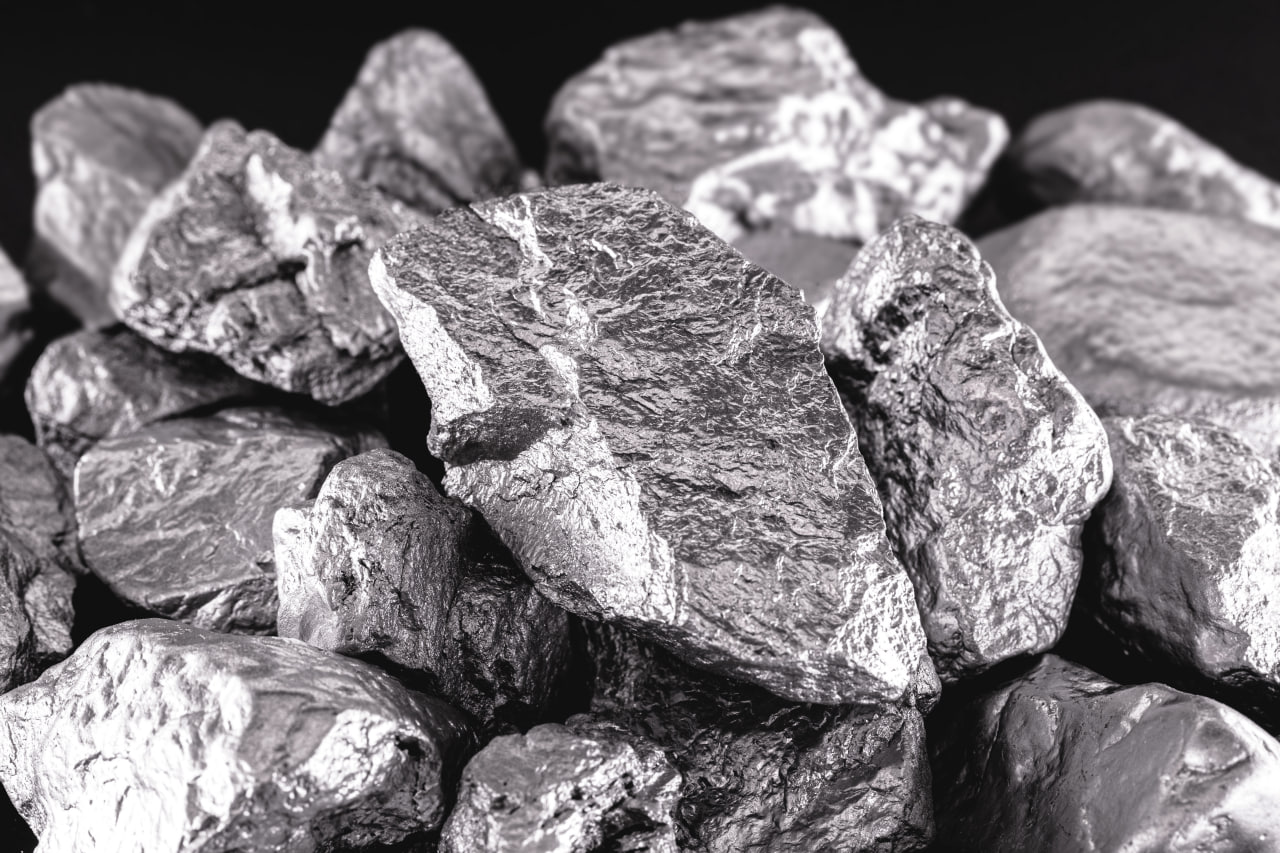
Several centuries ago the province of Saxony was a center of non-ferrous metal mining, including nickel and silver. They were mined as ore from which the sought substances were then obtained. But sometimes miners found ore that by all outward signs should have contained silver, yet roasting could not extract the precious metal from it. Instead, heating formed a poisonous gas that poisoned workers. Saxon miners considered this the work of a cunning mountain spirit — the kobold, after whom they named the “bad” ore.
Obtaining the pure metal was achieved only in 1735 by Swedish chemist Georg Brandt. From the “bad” ore he isolated a new gray substance with a slight pink tint. In a dissertation devoted to his discovery, the scientist wrote that the metal found could be used to make smalt — a pigment giving glass a rich blue color.
Among cobalt’s main characteristics are its high melting temperature (1,768°C) and boiling temperature (3,143°C), density (8.9 g/cm³), and resistance to demagnetization. Under normal conditions Co does not react with air, alkaline solutions, or carboxylic acids. When heated above 300°C it is covered with a thin oxide film.
In the Earth’s crust cobalt occurs exclusively as ore or mineral. Geologists estimate its amount at about 0.004%, making Co a rare metal.
More than half of the world’s cobalt reserves (about 6 million tonnes) are in one West African country — the Democratic Republic of the Congo. Co deposits exist in other countries too, but in them this rare metal is present in much smaller amounts:
In all countries cobalt-bearing ore is mined by open-pit methods. At the plant the ore is purified with sulfuric acid or ammonia solution; refining and electrolysis technologies are also used to obtain a purer product.
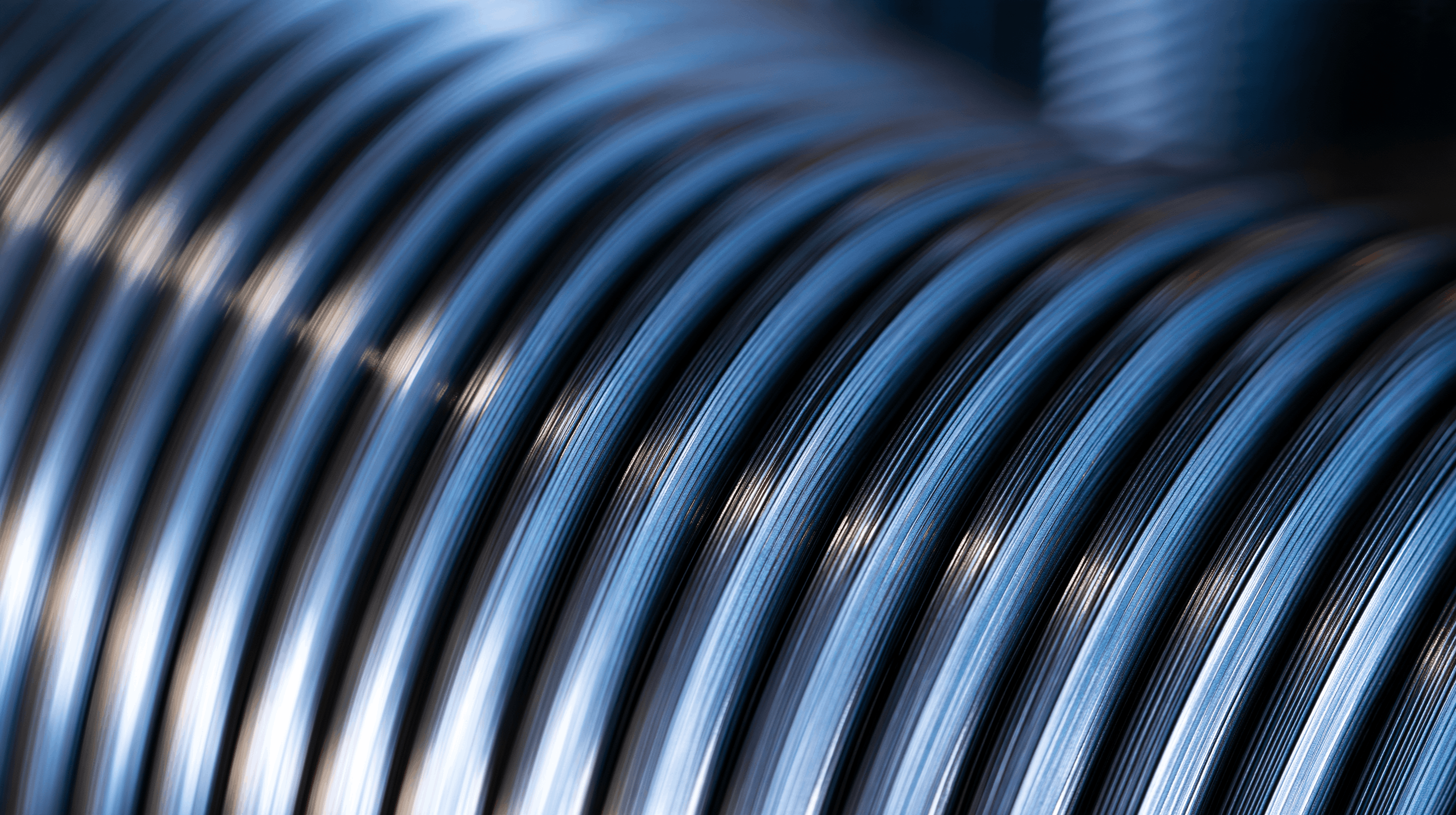
Cobalt is mainly produced as powder used as an additive to various steels. It increases wear resistance, hardness, and heat resistance of alloys, allowing such compositions for parts under heavy loads, including spacecraft.
Another Co application is making cores for motors, transformers, and other electrical products. In this field cobalt’s magnetic properties are valued: the rare metal has high resistance to demagnetization even under constant vibration and high temperatures.
In the early 21st century industry needed only 2.5–3 thousand tonnes of Co per year, but by 2010 that figure reached 25 thousand tonnes per year. This is linked to the development of microprocessor technology — more precisely, batteries for it. Lithium-cobalt oxide is used to make batteries and is part of the positive electrodes of lithium-ion batteries: smartphone and tablet batteries contain up to 30 g of cobalt; EV batteries about 9 kg.
Scientists estimate demand for cobalt will grow about 9–10% annually, which without developing new deposits will by 2025 lead industrial Co demand to exceed production.