In the first electronic tubes the problem of hermetic leads was solved with platinum. But for mass electronics that option was too expensive. Another material was needed — accessible, processable, and stable in properties.
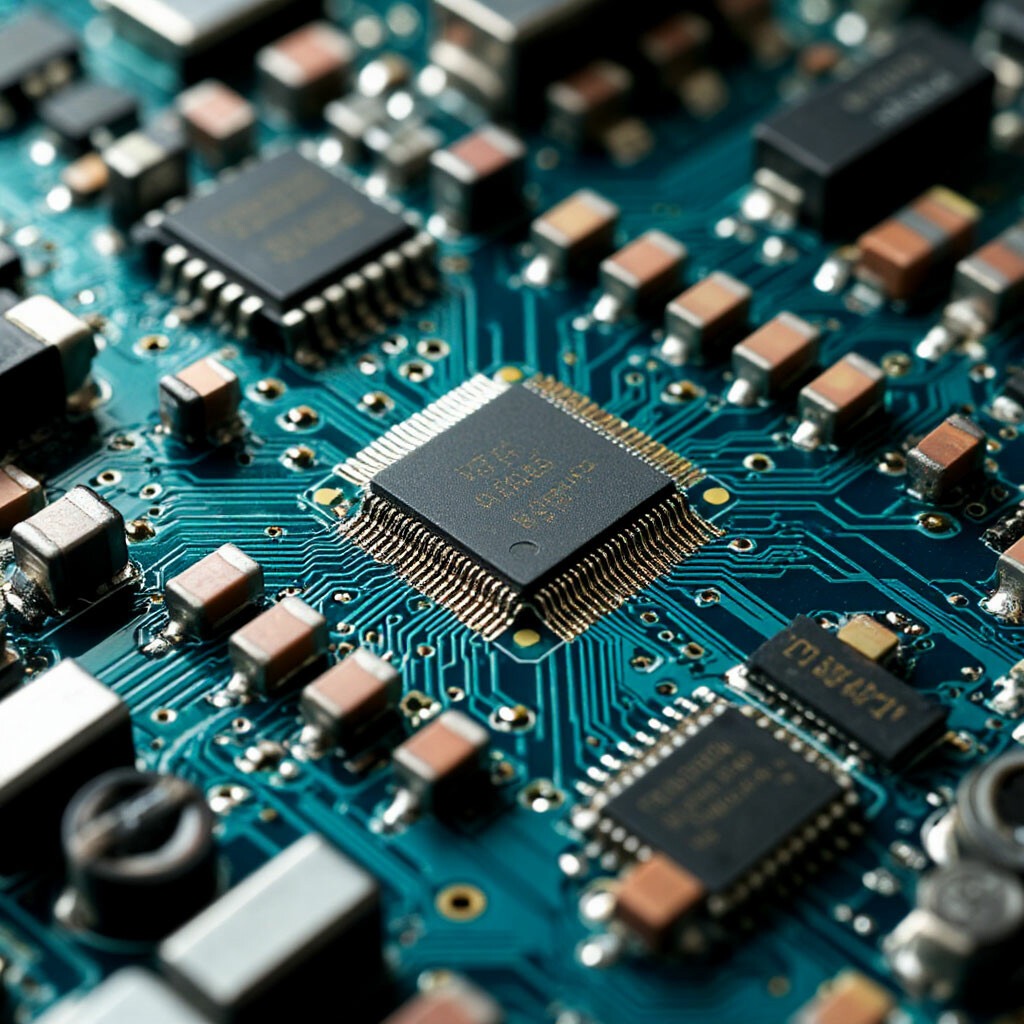
Thus Kovar appeared — an alloy that makes it possible to reliably join glass and metal without cracks or loss of hermeticity. It rarely makes the news, but without it it is hard to imagine vacuum technology, hermetic microcircuit housings, and many optoelectronic solutions.
The Saint Petersburg Precision Alloys Plant explains how Kovar “reconciles” materials that under ordinary conditions are considered almost incompatible.
At first glance glass and metal differ obviously: one is brittle and amorphous, the other ductile and crystalline. But the key conflict appears not so much in structure as in thermomechanical behavior on heating and cooling.
The main problem is the difference in thermal expansion coefficients. Metals, including iron and its alloys, expand on heating relatively quickly and often more sharply. Glass reacts differently: it expands more slowly and, especially importantly, on cooling cannot “adjust” by plastic deformation.
If glass and metal are joined directly and then subjected to heating or thermal cycling, strong residual stress arises at the material interface. In practical conditions this leads to a predictable result: the metal “pulls” the glass, and the glass shell cracks or loses hermeticity.
Exactly this problem long constrained development of electronic tubes, X-ray tubes, and vacuum apparatus where durable seals were required.
In early designs engineers used platinum — one of the few metals whose expansion coefficient is close to certain glass types. This made it possible to obtain relatively stable seals, especially in high-temperature assemblies.
However, platinum has an obvious drawback for industry: it is too expensive. For mass production of electronic instruments that path proved economically unacceptable.
A material was needed that combines:
Thus Kovar entered industrial practice.
Kovar (in domestic marking — 29NK) is a precision iron-based alloy with strictly regulated chemical composition and controlled characteristics.
Its classic formula includes three components:
An important physical mechanism is that cobalt in this composition lowers the Curie point temperature and stabilizes material behavior in the temperature range typical of seal process operations.
In precision alloys decisive significance belongs not only to strength but also to controlled thermal deformation. Kovar is distinguished by demonstrating behavior close to borosilicate and other technical glasses over a wide temperature interval.
Kovar’s linear thermal expansion coefficient is matched so precisely that on heating glass and metal expand roughly equally, and on cooling they contract practically synchronously. This reduces internal stresses at the joint boundary and makes it possible to form a hermetic seal without cracks and delamination.
From an engineering viewpoint this means the following: with correctly selected glass and observance of technology, hermetic sealing withstands:
No other common structural metal can achieve such precise “matching” with glass without additional compensating layers.
Even ideal matching of the thermal expansion coefficient does not guarantee a reliable hermetic joint. For a quality seal several more fundamental conditions must be met.
Kovar is usually inside the device and invisible to the user, but it is what ensures hermeticity and stability.
Most often it is used:
In practice Kovar is chosen when metal must be reliably joined to glass or materials close in behavior (including some ceramics).
Kovar cannot be melted “approximately” — deviations in nickel or cobalt will change the thermal expansion coefficient, and the material begins to behave unpredictably. This often ends in:
Therefore instrument and electronic technology manufacturers choose suppliers that ensure:
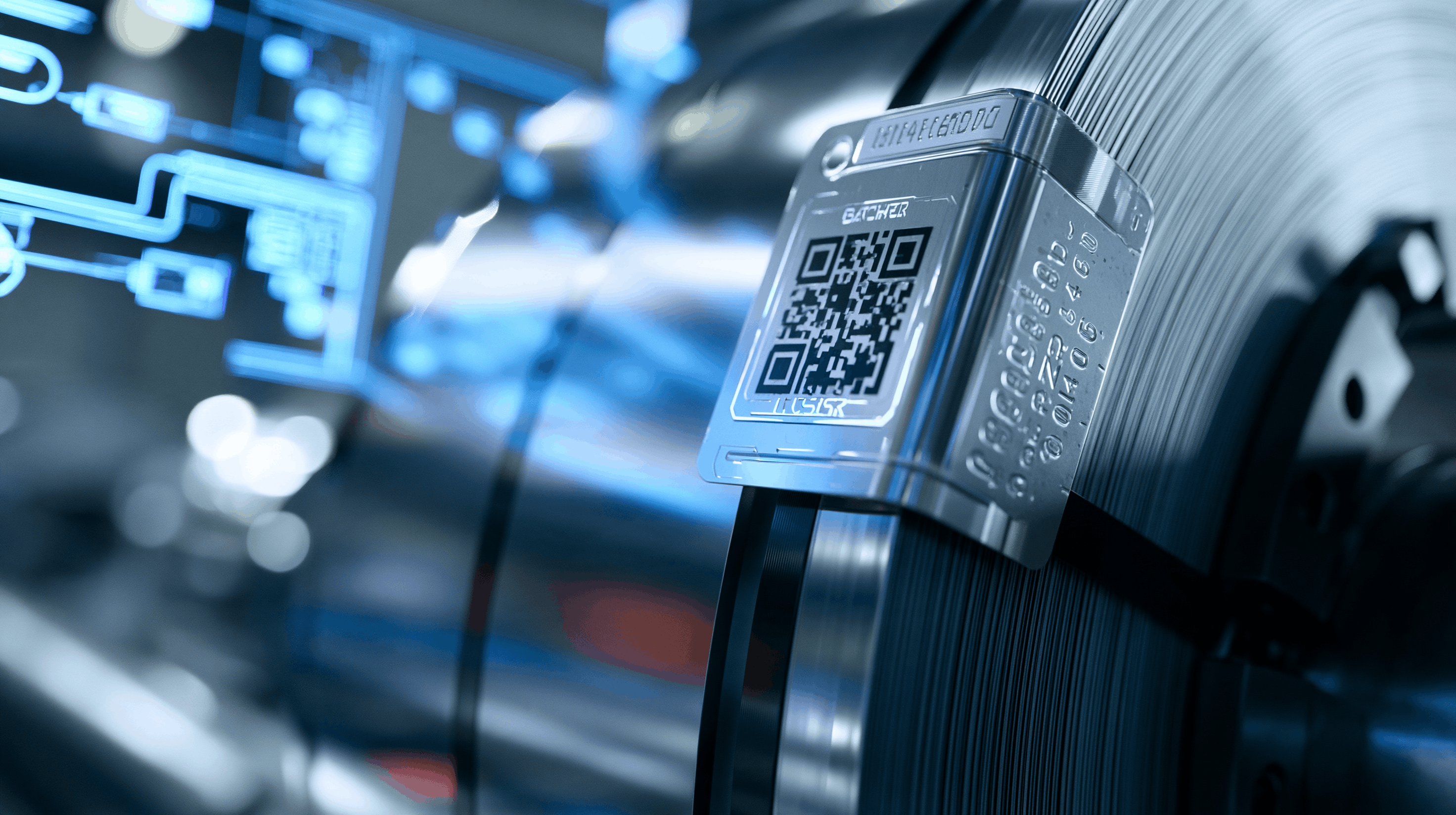
The Saint Petersburg Precision Alloys Plant is one of the few enterprises in Russia that has mastered a full Kovar production cycle. We do not merely melt the alloy but ensure property stability from batch to batch, which is critical for serial production.
For instrumentation and electrical engineering enterprises PZPS offers cold-rolled strip of alloy 29NK (Kovar) — a convenient delivery form for subsequent stamping, cutting, forming, and assembly of hermetic units.
So that the material integrates easily into the production process, we offer not merely “strip as a product” but an industrial solution:
Alloy 29NK is a material that made electronics mass-market. Exactly Kovar is a bright example of how precision metallurgy solves a fundamental materials science conflict. It creates a rare balance in which glass and metal stop destroying each other on heating and cooling.
Kovar remains a critically important element of modern technological civilization — from microcircuits and vacuum technology to high-power lighting. For supply questions call +7 (812) 740-76-87 or leave a request on our website.