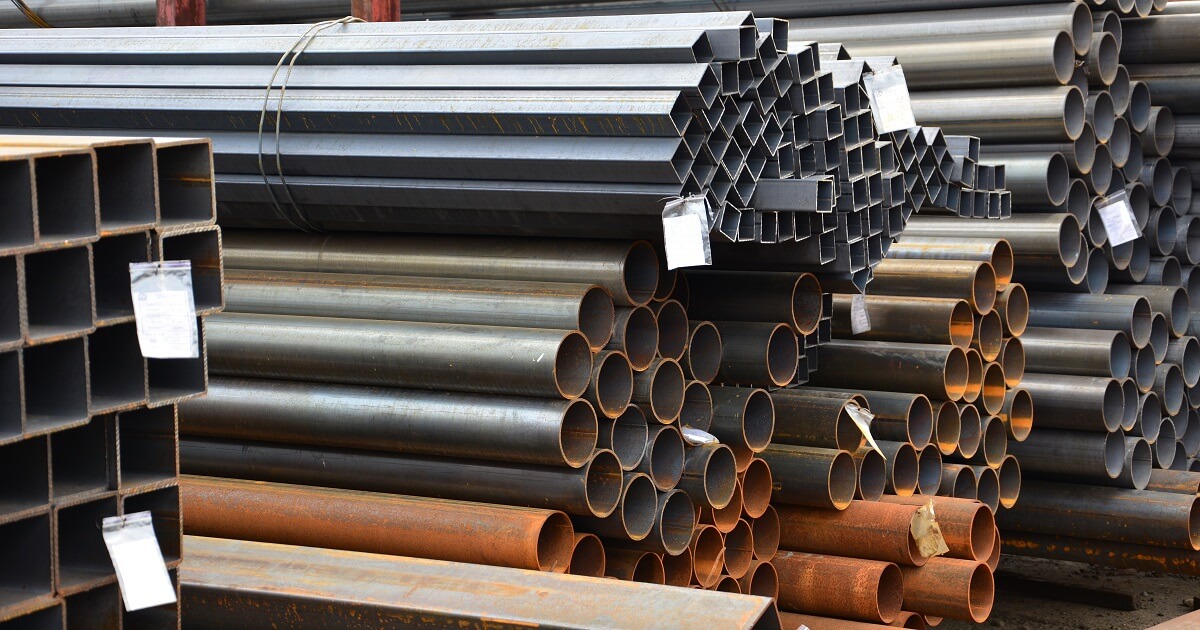
Steel is a versatile, reliable material widely used across industries. Adding metallic and non-metallic impurities can greatly expand the metal’s applications and improve its quality. Choosing the right material type plays a decisive role in project success and whether a given product can be used.
Steel alloying is a process in which various chemical elements are introduced into the metal to obtain specific physical and mechanical properties and service characteristics. For example, adding silicon increases ductility and wear resistance of spring alloys, making them more durable and reliable. Introducing magnesium helps retain strength of products operating at high speeds. Alloying with nickel and chromium gives steels high corrosion resistance, heat resistance, and wear resistance, making them ideal for ICE valves, steam turbines, and medical instruments.
On the other hand, unalloyed metals also have advantages and applications. They cost less and are widely used for parts, assemblies, and structures that do not face complex operating conditions. Such materials are also better suited to welding and forging, because alloyed alloys under these methods may suffer adverse effects such as burn-off of impurities at heated spots.
However, for a successful material choice one must carefully study composition and properties. Every project has specific requirements, and the right steel choice directly affects quality and durability of the final result. Understanding how alloying elements will affect material performance is a key aspect of alloy selection.
Alloyed and unalloyed steels are two different material types with different physical and mechanical properties and chemical compositions. In alloyed steels, besides iron, other metals or non-metals are present that substantially change their characteristics. Among alloying elements, materials such as nickel, chromium, molybdenum, vanadium, titanium, and others hold a special place.
Unalloyed metals contain no alloying additions but include carbon — a mandatory element of any alloy, present mainly as iron carbide. Depending on its percentage ratio