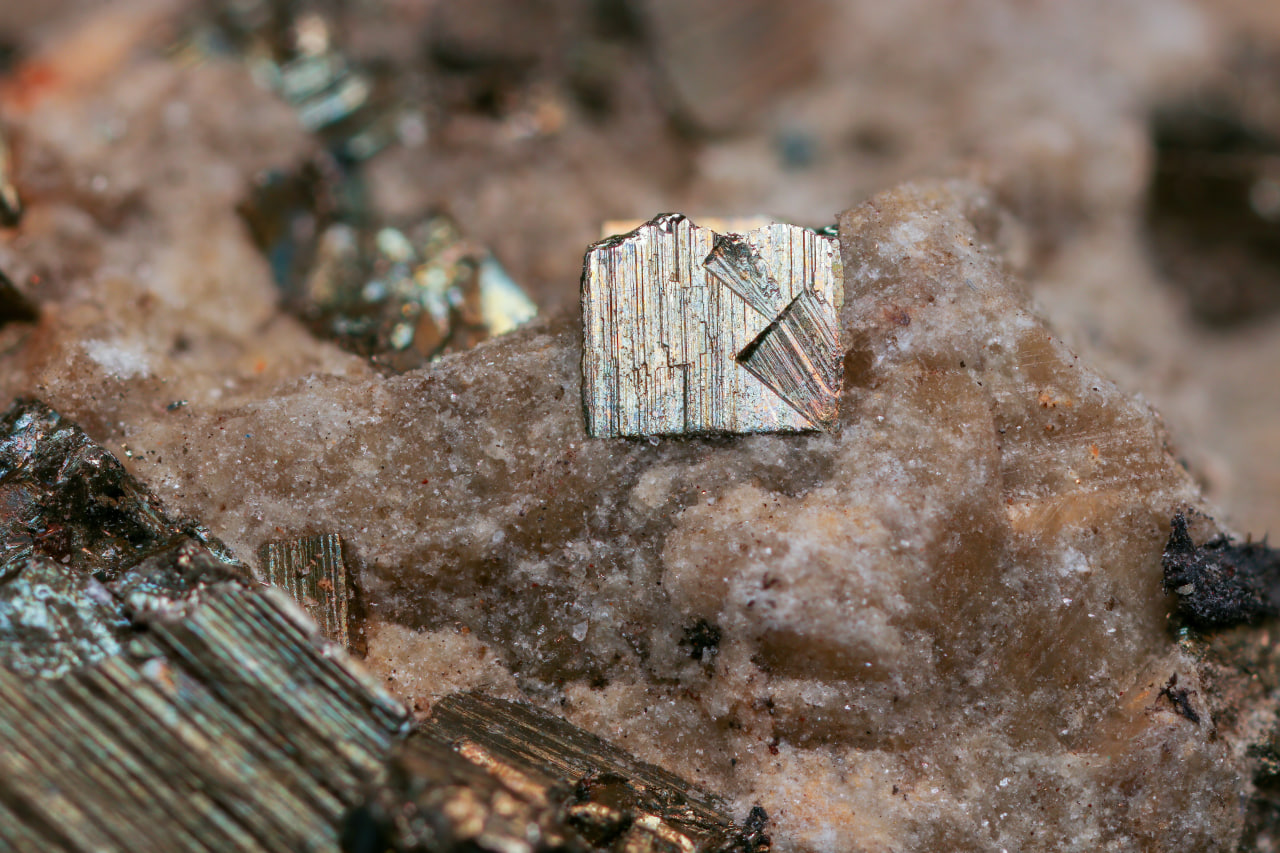
The Earth’s crust contains 0.0016% lead (Plumbum, Pb). In pure form it practically does not occur — mainly it is part of various ores, of which today more than a hundred are counted. The most widespread of them is galena — lead sulfide (PbS) — the main source of lead in the world. It is predominantly mined in the USA, Russia, Canada, Australia, and Mexico. Presumably galena is also present on Venus, together with bismuth sulfide forming the surface layer of some elevations.
Less common than lead sulfide are the following minerals:
In the composition of lead ores, besides lead itself, other metals are also found including noble ones (gold, silver). It is considered that exactly the combination of these elements served as an impetus for development of lead metallurgy. To purify precious metals from impurities they were melted with lead and calcined at high temperatures. During roasting lead and other impurities oxidized. The compounds formed were blown away by an air stream — an ingot of purified gold or silver remained at the bottom of the melting furnace.
Lead smelting became one of the first metallurgical processes known to humanity. Back in the 4th millennium BCE lead was used for casting sculptures, making medallions and styli, and minting money. In ancient Egypt lead was applied as cosmetic means: black lead sulfide — for eye liner, and a mixture of lead oxide with slaked lime — to give hair a bluish-black color.
Most actively in the pre-industrial world lead was used in ancient Rome. Mining of this metal in those times amounted to up to 80 thousand tonnes per year and was carried out in Central Europe, Greece, Spain, and Roman Britain. Mainly lead was applied for arranging inexpensive and reliable pipelines on the territory of Rome and adjacent provincial cities. It was also used in cosmetology in producing powders, blush, and mascara, as seasonings and preservatives in cooking and winemaking, for manufacturing lead, bronze, and brass coins, and in counterfeiting silver and gold currency.
Modern industry uses tens of millions of tonnes of lead per year, but far from always this is newly melted metal. More than 90% of lead products go for recycling. And the better collection of this metal is organized in a certain country, the more secondary raw material covers production needs. For example, in the USA only 20% of lead used is new metal; in the EU this indicator reaches 40%.
Today 80% of all lead, both secondary raw material and new metal, goes into manufacturing accumulator batteries including for alternative energy systems. Their production is significantly cheaper than lithium batteries, and lead accumulators themselves possess a substantially greater resource: at a service temperature from 38°C to 42°C after 3,000 working cycles capacity of a lead battery decreases by only 10%; design service life is 15–20 years, which corresponds to the minimum service period of solar batteries.
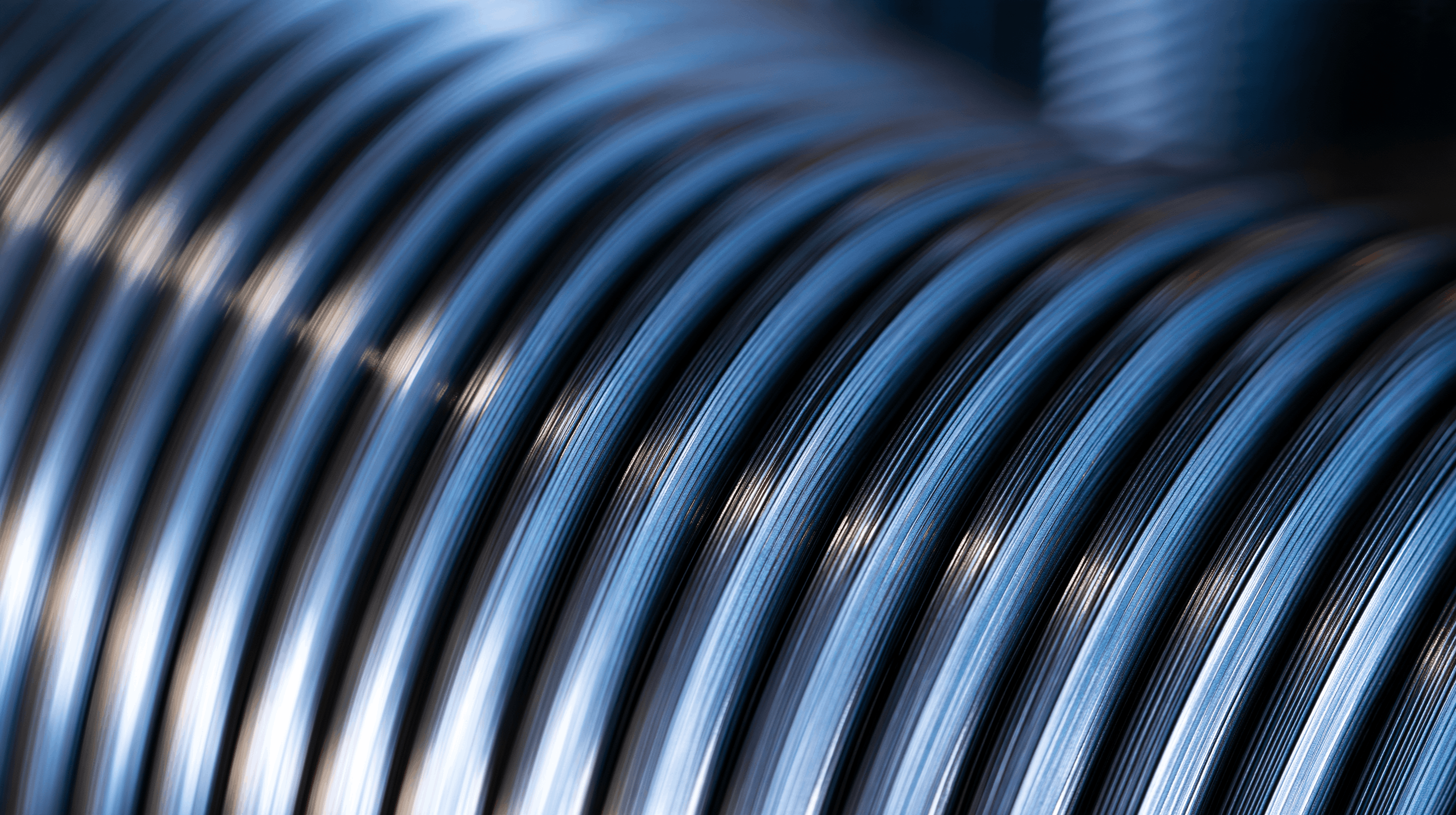
Second place in industrial use of lead is occupied by rolled products: about 6% of all metal used is spent on manufacturing cold-rolled strips, sheets, and tubes. 5% of lead goes into manufacturing pigments including red lead — a material applied for painting the underwater part of ships and protecting iron from corrosion. 3% — into producing explosives, shells, shot, and bullets; 2% — into melting various steels and alloys including precision ones; 1% — into manufacturing cable sheaths. The remaining 3% is used in melting crystal and producing products for protection from electromagnetic radiation: protective suits, cladding elements of X-ray rooms and nuclear reactors.
One of the most widespread heavy metal poisonings in the world is lead poisoning. But this became known relatively recently. Still in the 1970s–80s of the last century lead was actively applied as an additive for gasoline, raising with its help the octane number of fuel. During fuel combustion lead particles entered the atmosphere, thereby polluting it. When inhaling polluted air the substance accumulated in the body, which led to chronic intoxications. Lesions affected all departments of the brain and peripheral nervous system; work of muscles and the circulatory system was disrupted.
Historians also link some diseases of Russian tsars with lead poisoning. The water supply built in the Moscow Kremlin in 1633 was fully manufactured from lead. According to scientists exactly it became the cause of death for most children of Tsar Alexei Mikhailovich the Quietest (father of Peter I). The “poisoned” water supply existed a little more than a hundred years and was destroyed in the Trinity Fire at the end of May 1737.
Today application of lead in the world is being tried to be limited, replacing it with alternative metals, tightening requirements for disposal of lead products, and raising control of safety at productions. But still every year about 0.5 million tonnes of this toxic substance end up in the world ocean with wastewater. Fortunately, low solubility of lead compounds hinders accumulation of a large amount of metal in water — in the World Ocean lead concentration does not exceed 0.03 μg/liter, which corresponds to the MPC (maximum permissible concentration) of this substance established by ecologists.