The St. Petersburg Precision Alloys Plant congratulates you on World Aviation and Cosmonautics Day
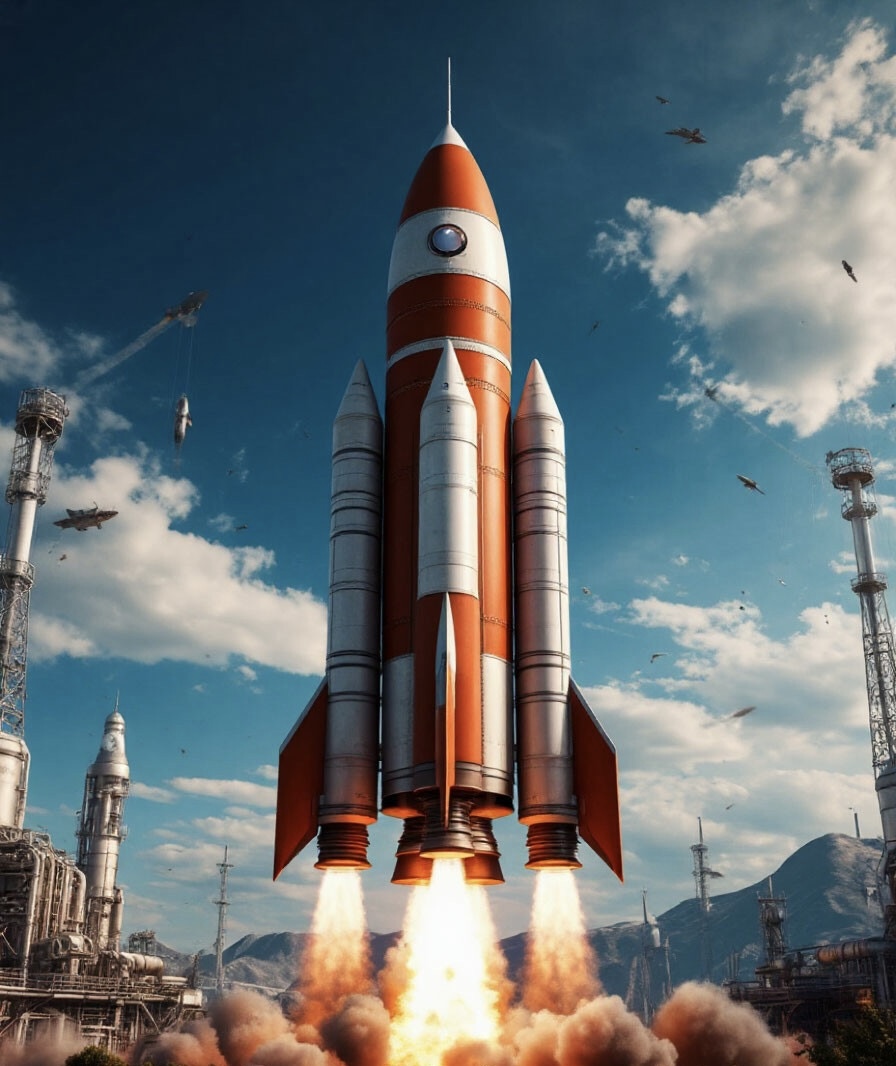
Every year on April 12 the professional community of engineers, designers, and technologists says with special feeling: “Happy Aviation and Cosmonautics Day!” This date is not merely a historical milestone linked to the first human flight into space. It is a symbol of the triumph of scientific thought, engineering discipline, and a systems approach to problems that not long ago seemed unreachable.
It was on April 12, 1961 that a new technological era began — the era of crewed spaceflight. The launch of the Vostok-1 spacecraft showed the world that human capability is defined not only by physical resources, but by the level of science, materials science, and industrial production. From that moment, the development of aerospace technology has been inseparable from the improvement of structural and magnetic materials.
The progress of aviation and cosmonautics is unimaginable without advances in materials science — the discipline that studies the structure, properties, and behavior of materials under various service conditions. Modern aircraft operate in environments where extreme temperatures, high mechanical loads, intense vibration, and electromagnetic fields act at once.
Without special alloys able to keep property stability across a wide temperature range, withstand cyclic loads, and ensure minimal energy losses, no modern aviation or space project could be realized.
Producing modern aircraft and spacecraft engines rightly ranks among the highest points of engineering thought. Yet flight reliability is determined not only by mechanical assemblies — turbines, compressors, and combustion chambers. Equally important is the aircraft power-supply system, which:
Every element of this system must work flawlessly for thousands of service hours. Reliability rests not only on design, but on the properties of the materials from which key components are made.
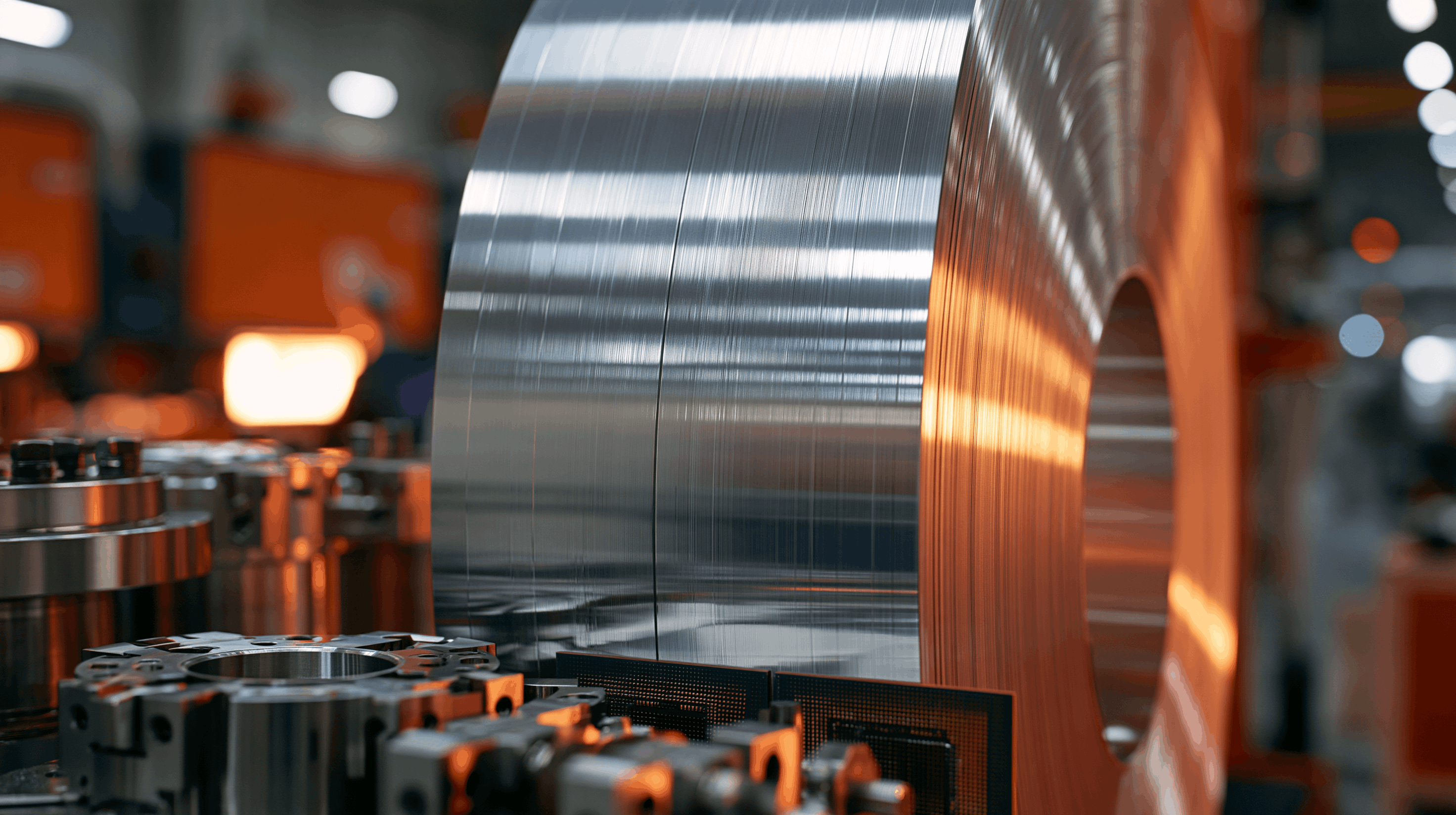
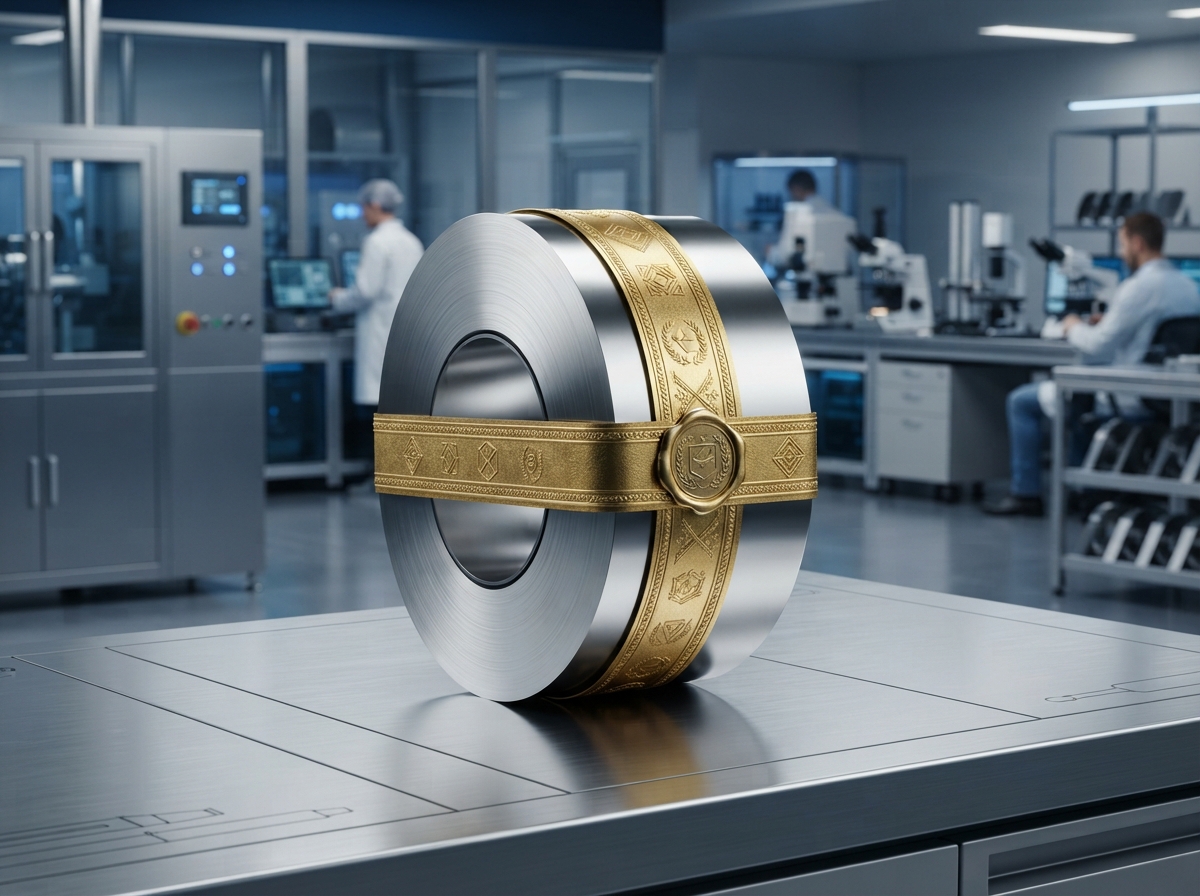
The St. Petersburg Precision Alloys Plant holds an important place in the materials supply chain for the aerospace industry. Two alloys that have become quality standards occupy a special place in this line: 49K2FA and 27KX. They are used to manufacture rotors and stators of aircraft electrical machines.
Alloy 49K2FA is a soft-magnetic iron–cobalt material. It is characterized by high magnetic permeability, low specific remagnetization losses, and high saturation induction.
Thanks to minimal remagnetization losses, heat generation decreases and energy efficiency rises. As a result the rotor turns with less resistance, and the generator’s efficiency reaches high values.
Alloy 27KX is a soft-magnetic alloy whose main technical characteristics are high stability of magnetic permeability, uniform magnetic-flux distribution, low hysteresis losses, and good processability.
Using this alloy in the stator design ensures stable generator output voltage even under sharp load changes, which is critical for onboard-system reliability.
In aviation and cosmonautics, equipment failure is unacceptable. That is why material quality control is performed at every stage of the production cycle:
This control system ensures stable material properties throughout the equipment’s service life.
It is this comprehensive approach to quality that makes it possible to guarantee reliable operation of aircraft power systems.
On this day we congratulate all specialists whose work is linked to the sky and space: pilots, design engineers, technologists, test specialists, scientists and researchers, and industry workers.
Special thanks go to our colleagues at related enterprises: engine assemblers, generator developers, and testers.
Each of these professions is an important link in a single technological system that ensures flight safety and the development of the aviation industry.
When an alloy melted at the St. Petersburg Precision Alloys Plant becomes part of an aircraft-generator rotor or stator, it turns from a material into an element of a complex engineering system. In that system there are no secondary parts — each one affects takeoff reliability, flight stability, and landing safety.
We wish all specialists in aviation and space a clear sky, precise engineering calculations, stable equipment operation, technological achievements, and professional growth.
May the progress of science, industry, and materials science continue to open new horizons for humanity — as confidently as it did on April 12, 1961.
Happy Cosmonautics Day!