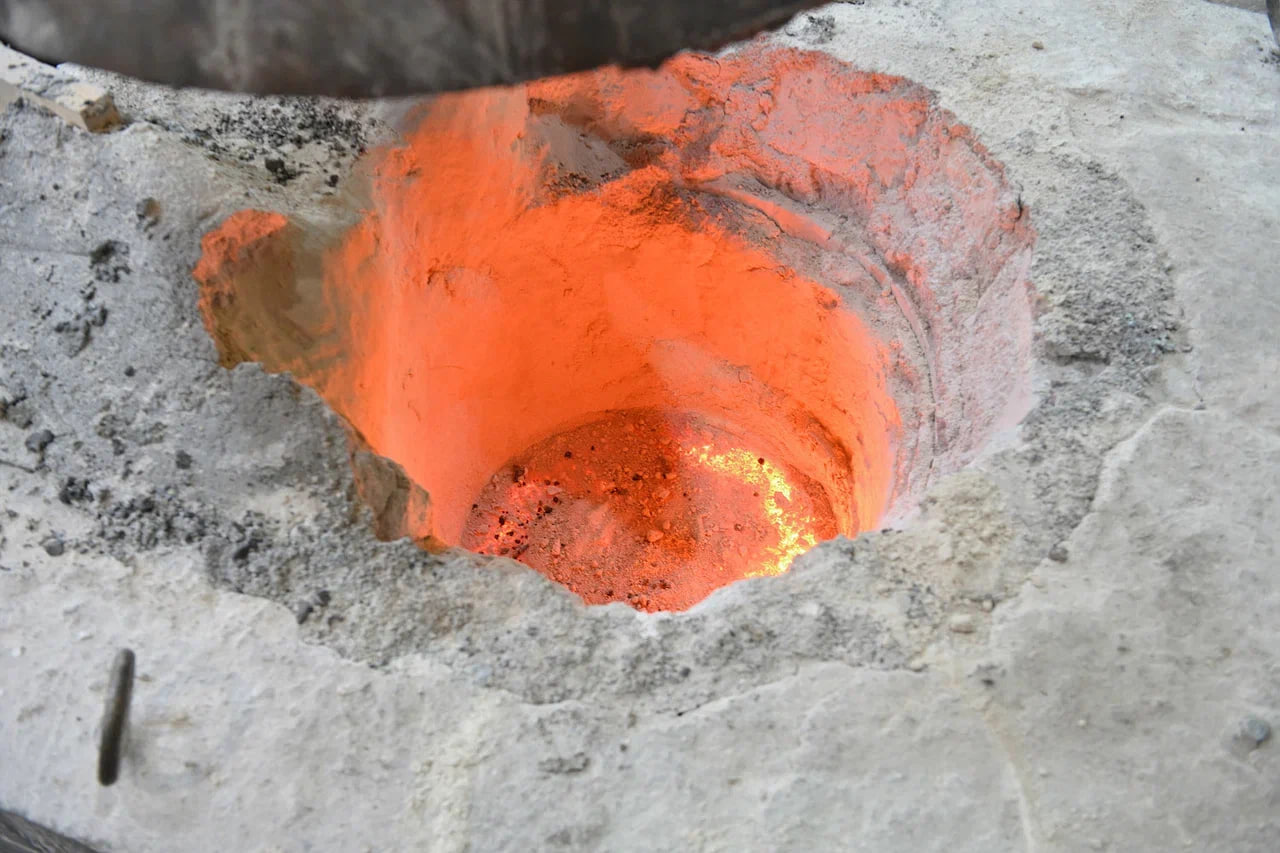
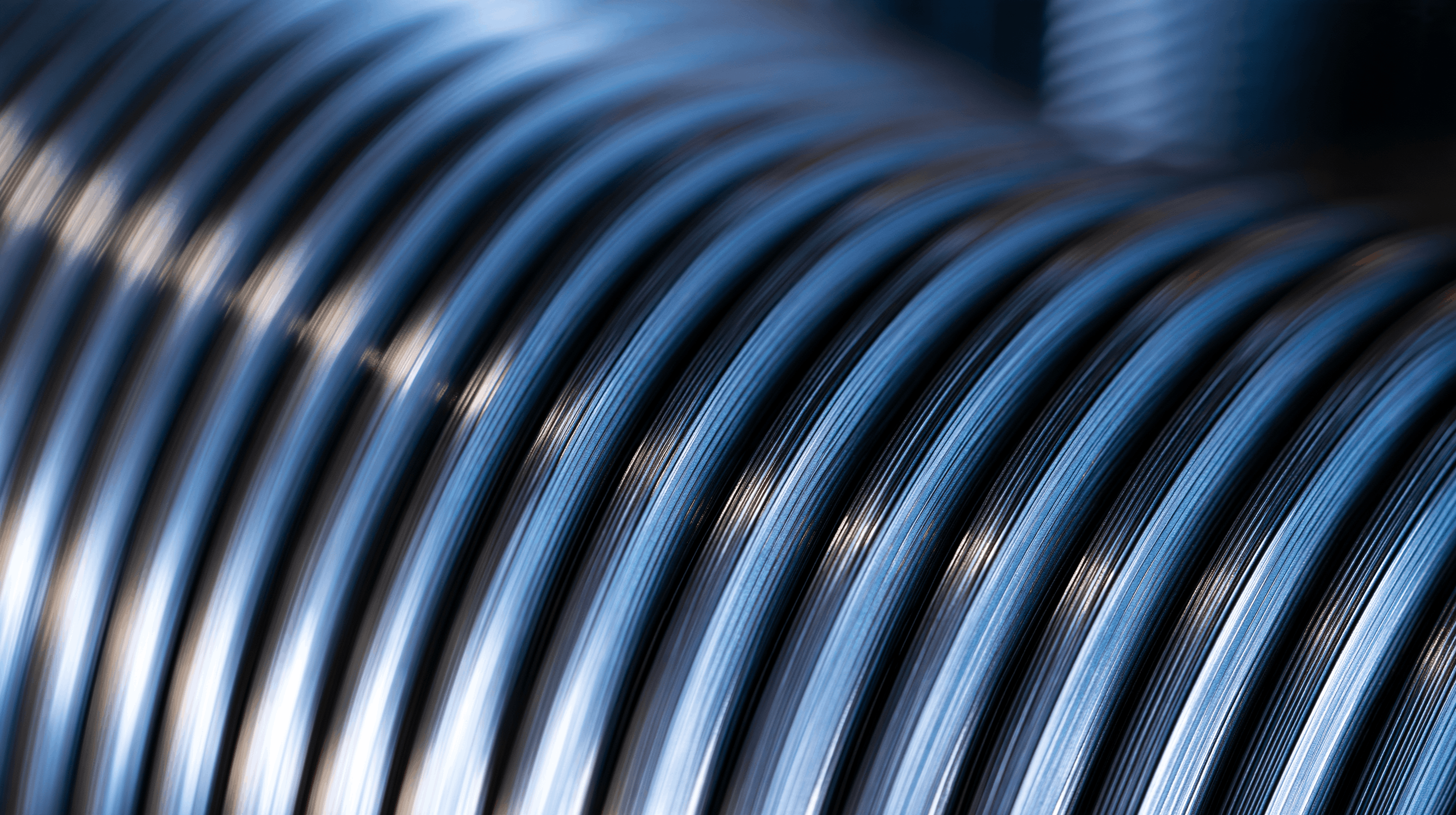
A chemical element of group 13, period 3 of D. I. Mendeleev’s periodic system of chemical elements. Atomic number — 13, atomic mass — 26.9. Symbol — Al (Latin “Aluminium”). Boiling point — 2467°C, melting temperature — 660°C, density — 2712 kg/m³.
It is the second most widely used (after iron), the most abundant metal in the Earth’s crust, and the third by content among all elements of the Earth’s crust (after oxygen and silicon). Aluminum accounts for 8% of the weight of our planet’s solid surface.
Feldspars — the most common mineral group in the Earth’s crust — contain aluminum as one of their components. Aluminum is also found in the minerals beryl, cryolite, garnet, spinel, and turquoise. In addition, the metal plays an important role in forming some precious stones (rubies and sapphires).
This metal, once considered precious, was first obtained in 1825 by Danish physicist and chemist Hans Christian Ørsted. Discovering aluminum became possible when scientists could use electricity to split chemical compounds into their elements. Ørsted used electrolysis, still used today to produce aluminum: he reduced the element’s chloride with potassium amalgam on heating and isolated the metal.
In 1827 German chemist Friedrich Wöhler improved Ørsted’s method, using pure metallic potassium to reduce aluminum chloride to metal. In addition, Wöhler was the first to describe aluminum’s chemical properties.
The modern method of commercial production was discovered in 1886: Charles Martin Hall in the USA and Paul-Louis-Toussaint Héroult in France independently obtained this metal by electrolyzing purified aluminum oxide dissolved in molten cryolite.
And already in the 1960s aluminum overtook copper and took first place in world non-ferrous metal production.
There are several reasons aluminum became so widely used in manufacturing industry.
It is a fairly light material — on average aluminum weighs a third less than steel at the same volume. That means it is not only easier to handle at a plant or construction site but also cheaper to transport.
Despite its lightness, aluminum is strong, almost like steel, and at the same time ductile. The metal is easily formed both hot and cold; it can be coiled, drawn, and stamped.
The material contains no iron, which means it does not rust. Aluminum products will without any problem withstand any precipitation — rain, snow, or constant high humidity.
In addition to all the properties listed above, aluminum is considered one of the materials most suitable for recycling. Recycling it requires only 5% of the energy spent producing the original primary metal.
Thanks to its versatility aluminum is used everywhere. Modern construction, automotive, aviation, energy, food, and other industries would be impossible without aluminum.
Thanks to its barrier properties aluminum foil keeps products fresh and is used in protective packaging of pharmaceuticals. An alloy of this metal with silicon and magnesium is used to make cast car wheels, engines, and other parts. And an aluminum-zinc alloy you are holding right now as a smartphone or laptop.
Bicycles, airplanes, beverage cans, windows, doors, wire, cookware, photo equipment, and much more — all of this is made from aluminum.