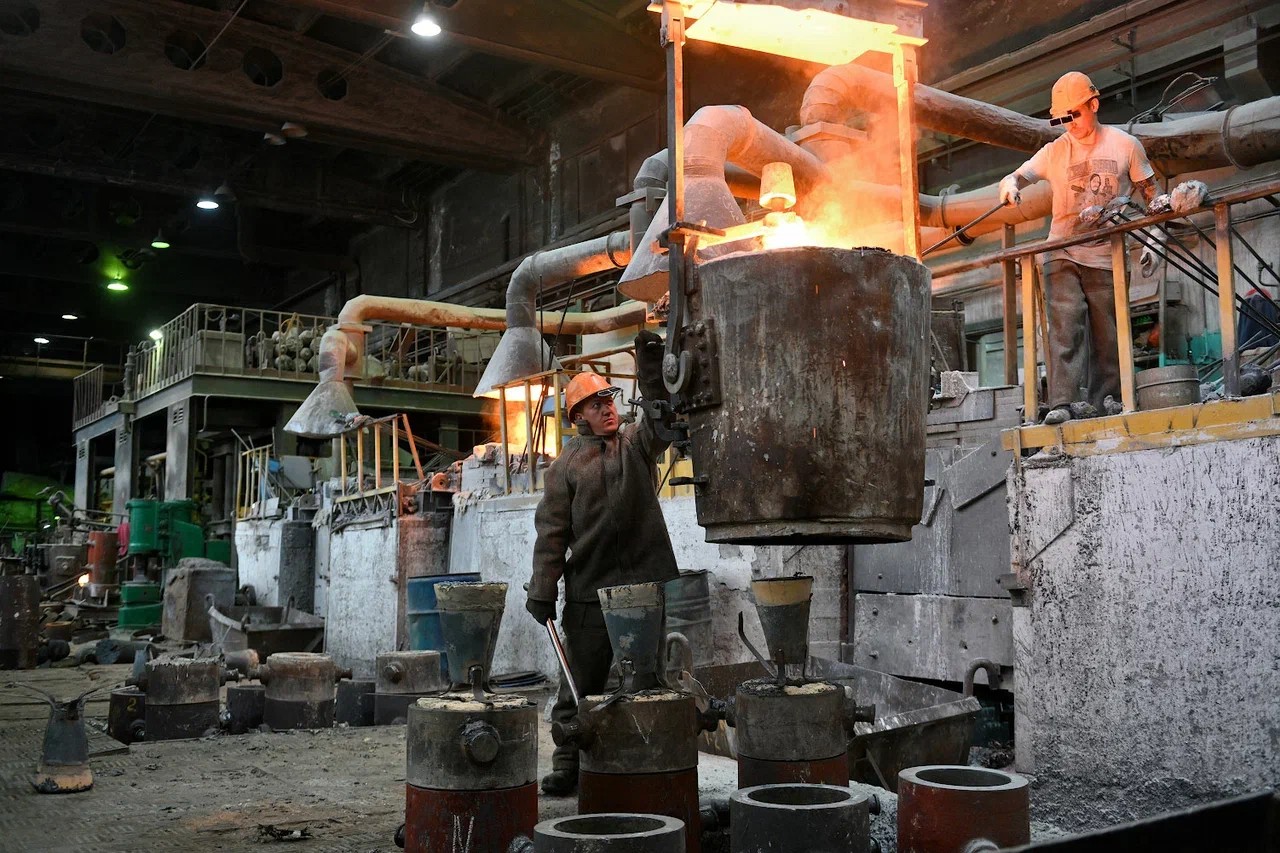
Metals — from iron and aluminum to copper and titanium — play an important role in everyday life. They are used everywhere — in construction, industry, medicine, electronics. Wherever you are now, look around — you will find many objects created at least with metals and their alloys. The device on which you are reading this text certainly could not have been created without copper, cobalt, iron, tin, and other metallic substances. In the article below we will consider the main metallurgical terms that will help better understand the world of metals.
Metal — a chemically simple substance that is usually solid, shiny, malleable, fusible, and ductile, with good electrical and thermal conductivity.
Alloy — a compound made by combining two or more metals, for example to give the final material greater strength or corrosion resistance.
Precision alloys — highly alloyed metal combinations with a predetermined set of properties and characteristics, produced with strict process adherence and without foreign inclusions in the structure (more details can be read here).
Steel — an alloy of iron and carbon containing less than 2% carbon and 1% manganese, as well as a small amount of silicon, phosphorus, sulfur, and oxygen. There are four types, within which it is divided into grades. Each type has unique characteristics that allow use in corresponding fields.
Carbon steel — steel usually containing up to 2% carbon; the most common steel type, accounting for about 90% of production. Divided into three main subcategories: low-carbon steel, also known as mild steel, medium-carbon steel, and high-carbon steel.
Alloy steel — in this alloy, besides iron, carbon, and manganese, other elements affecting metal characteristics are also used: chromium, nickel, copper, molybdenum, vanadium, and aluminum. They help change ductility and impart strength, machinability, and corrosion resistance.
Stainless steel — steel with at least 10.5% chromium (usually about 11–12%). Easily identified by its luster and commonly used in food, medical, and architectural industries.
Tool steel — tungsten, molybdenum, cobalt, and vanadium are usually added to this alloy. There are six grades: air-hardening, water-hardening, type D, hot-worked, shock-resistant, and oil-hardening. Tool steels are usually used in cutting and drilling equipment because of higher heat resistance and hardness imparted by the materials in the composition.
Quenching — a heat-treatment method including heating, holding, and cooling of steel. Used to improve various characteristics (for example raise hardness) of inexpensive steel grades, non-ferrous metals, and alloys, thereby reducing the cost of products and structures obtained.
Rolling — production processing of metals and alloys to improve their characteristics. There are two kinds: cold and hot (more about both kinds of rolling can be learned here).
Hot rolling — produced at a temperature above 926°C — a value above steel’s recrystallization temperature. Under such conditions the metal can easily be shaped, which facilitates working with the material.
Cold rolling — reprocessing of material that has already undergone hot rolling, but this time at room temperature.
This is far from a complete list of terms related to metallurgical processes. In the future we will continue to explain what various concepts in the world of metals mean.
These and other terms from the metallurgical industry in alphabetical order are presented in the Metallurgy Alphabet section.