Electrical resistivity (denoted by the symbol ρ) is a physical characteristic describing a material’s ability to resist the flow of electric current. It is usually measured in ohm·metre. It depends on alloy chemical composition, structure, temperature, and other properties. Precision alloys with high electrical resistivity have good insulating qualities, while materials with low resistivity are excellent conductors.
A material’s electrical conductivity (measured in siemens per metre) is a physical quantity characterizing the ability to conduct electric current. It is inversely proportional to electrical resistivity. That is, the higher the conductivity, the better the material conducts current, and vice versa.
A material’s ability to conduct electric current depends on a number of factors, the main ones being:
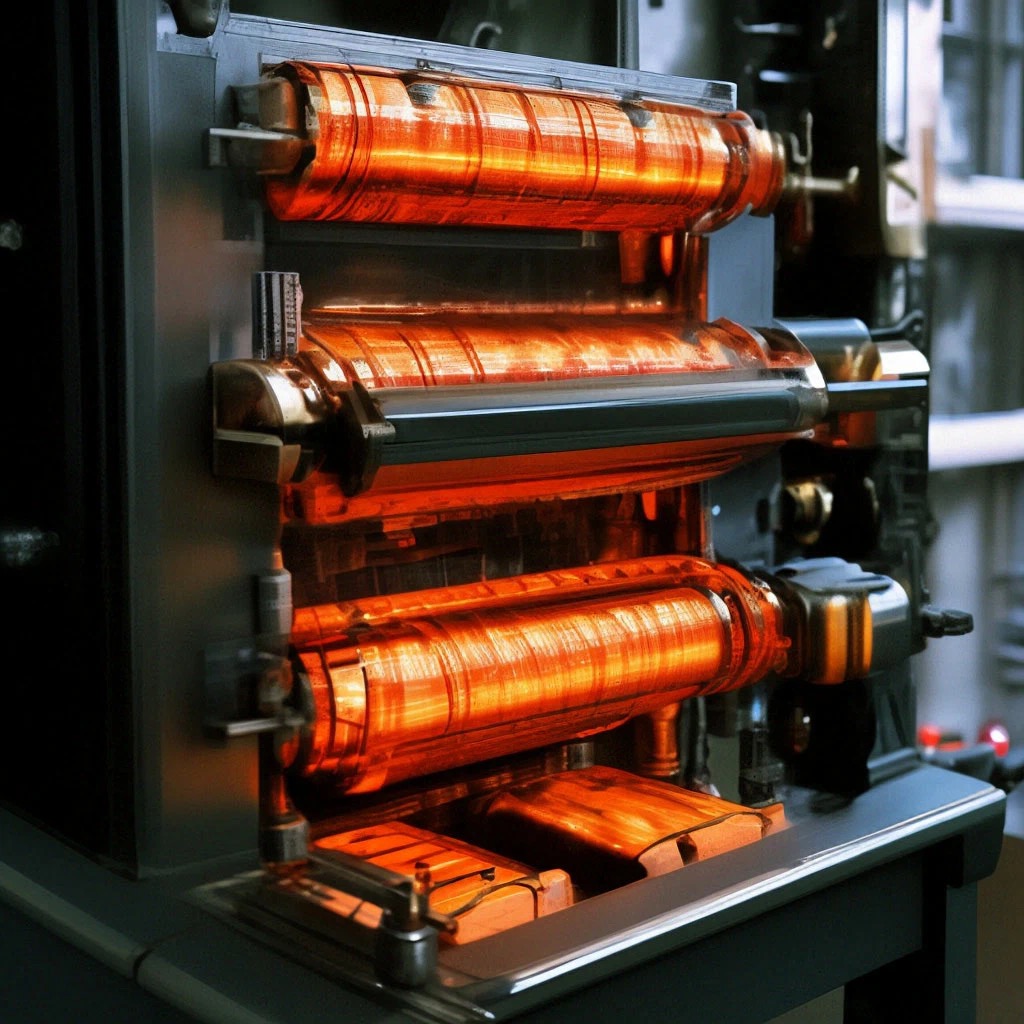
Precision alloys with elevated resistivity have high parameter stability and can be used in various electrical devices where precise control of electric current is required. They are widely used as heating elements in industrial installations and other specialized devices.
Petersburg Plant of Precision Alloys produces a range of materials with high electrical resistivity. Among them:
In addition, the PZPS research center is actively developing production of Inconel and Hastelloy alloy analogues. These materials can be used as substrates for high-temperature thin-film superconductors, making them sought after in modern technologies. To order the required precision materials, call +7 (812) 740–76–55 or leave a request on the website. Our specialists will contact you and explain cooperation terms in detail.