An ejection seat is a special device for emergency evacuation of the crew from an aircraft in an emergency. It is used in military and civil aviation, as well as in other fields where pilot and passenger safety must be ensured. For reliable, fail-safe operation of such systems, high-strength materials able to withstand extreme loads are used. One of them is precision alloy 40KKhNM with specified elastic properties. In this article we look at this material’s role in ejection mechanisms and its significance for aviation safety.
Ejection stages
The ejection process includes several key stages that occur in mere seconds:
- Deciding to eject — the pilot or automatic system decides to eject based on situation analysis.
- Preparing for ejection — the ejection seat mechanism is activated, including the parachute and stabilizers.
- Ejection from the cockpit — using a pyrotechnic charge or other mechanism, the seat is ejected from the aircraft cockpit in fractions of a second.
- Flight stabilization — the parachute opens automatically, stabilizing the seat trajectory and preventing uncontrolled rotation or fall.
- Soft landing — the seat descends smoothly on the parachute, allowing the pilot to land or ditch safely.
Installing ejection seats in aircraft has substantially increased crew and passenger safety in emergencies such as fire, engine failure, loss of control, and other extraordinary circumstances.
Operating principle of an ejection seat
Ejection seats are equipped with a number of systems, each needed for safe departure from the aircraft:
- Ejection system — on activation the seat is ejected from the cockpit by a pyrotechnic charge or other mechanism, making it possible to leave the aircraft quickly.
- Parachute system — after seat ejection the parachute opens automatically, ensuring a soft landing or ditching.
- Stabilization and control systems — some ejection seats are additionally equipped with stabilizers to control flight direction after ejection.
The ejection process takes only a few seconds, so each system must operate within a strictly allotted time so that a passenger, pilot, or other crew member can eject safely from the aircraft.
The role of cold-rolled strip in ejection mechanisms
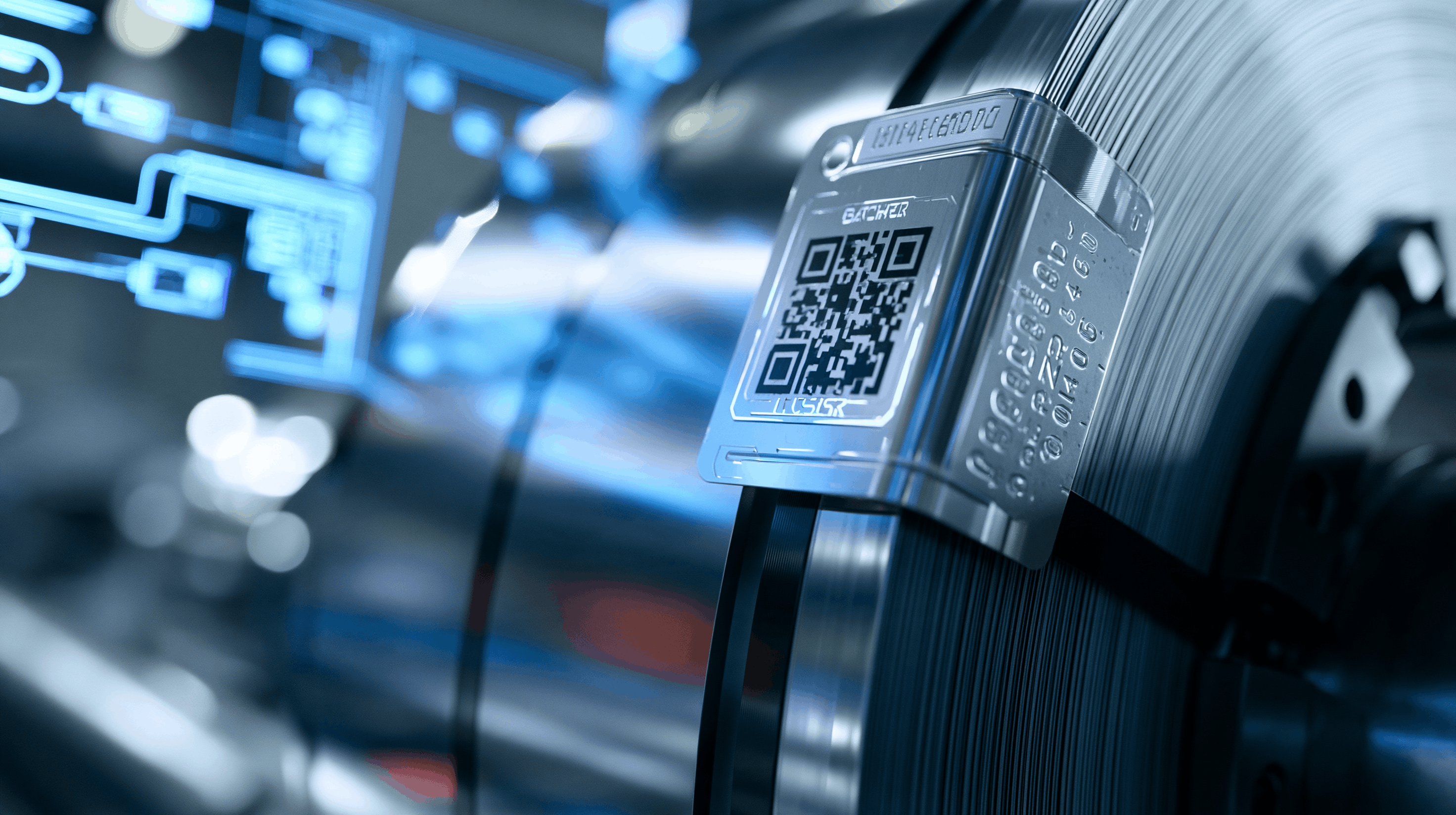
Cold-rolled strip of high-strength materials is used in several key ejection-seat assemblies:
- Energy transfer in pyromechanisms — pyromechanisms create pressure to eject the seat from the cockpit. The strip transfers mechanical energy from pyrotechnic devices to mechanical system elements. It must withstand strong loads and temperature swings.
- Damping and stabilization — the strip is used in damper systems, reducing impact loads arising on seat ejection. This reduces the impact force transmitted to the pilot, minimizes vibration, and stabilizes the flight trajectory.
- Parachute opening control — in parachute system actuation mechanisms, parts made of cold-rolled strip ensure accuracy and timely operation.
Each system component must work as accurately and reliably as possible to minimize risks and ensure pilot safety under the most extreme conditions.
Pyromechanisms: design and operating principle
Pyromechanisms are devices that use the energy of powder gases or other chemical reactions to perform mechanical tasks such as seat ejection or parachute system activation. They are widely used in various fields including military technology, aviation, spaceflight, and other industries.
Pyromechanism design
Pyromechanisms consist of several main components:
- Housing — protects internal pyromechanism elements from external effects. Made of strong materials such as steel or aluminum.
- Charge — the energy source for creating gas pressure or another chemical reaction. The charge may include powder or other explosives.
- Igniter — initiates the charge reaction. May be electrical, mechanical, or chemical.
- Expelling charge — in some pyromechanisms used to eject the seat from the cockpit. May be installed inside or outside the housing.
- Mechanical elements — include pistons, valves, springs, and other parts that perform mechanical tasks in the pyromechanism.
Operating principle
The pyromechanism operating principle is based on using the energy of powder gases or other chemical reactions to create pressure that causes mechanical elements to move.
- Initiation — the igniter initiates the charge reaction, leading to formation of powder gases.
- Creating pressure — powder gases create pressure inside the housing, acting on mechanical elements.
- Moving mechanical elements — under pressure, mechanism elements move, performing the task for which the pyromechanism is intended.
- Performing the task — mechanical elements perform their task, for example tightening lap and shoulder belts, securely fixing the pilot, and ejecting the seat from the cockpit.
- Cooling — after performing the task the pyromechanism cools and returns to the original state.
Strict requirements are placed on ejection systems: high reliability, uninterrupted operation, and full process automation. Meeting these conditions makes it possible to guarantee crew and passenger safety in emergencies.
Material for making pyromechanism springs
Precision alloy grade 40KKhNM is a high-strength material used to make elastic elements, including pyromechanism springs. It has a number of unique properties that make it an ideal solution for use in ejection mechanisms:
- High strength — makes it possible to withstand large loads without deformation or failure, which is especially important for pyromechanism springs subject to significant mechanical and thermal effects.
- Elasticity — ensures rapid shape recovery and return to the original state after load removal. Needed for accurate, effective pyromechanism operation.
- Wear resistance — increases system component service life, which reduces costs of replacing worn parts and raises pyromechanism reliability.
- Corrosion resistance — makes alloy 40KKhNM suitable for elevated humidity and aggressive chemical environments, which increases spring service life and reduces failure risk.
- Accuracy of positioning mechanical elements — important for correct pyromechanism actuation. Ensures elevated accuracy and reliability of device operation.
The Saint Petersburg Precision Alloys Plant produces cold-rolled strip of grade 40KKhNM in various sizes. Thanks to its characteristics this material is widely used in the aviation industry, especially in devices operating under emergency conditions.
At PZPS you can purchase not only alloy 40KKhNM but also buy cold-rolled strip of other grades per GOST, in particular nichrome Kh20N80. For more information about products and services contact the sales department or leave a request on the website. Plant specialists will contact you as soon as possible.