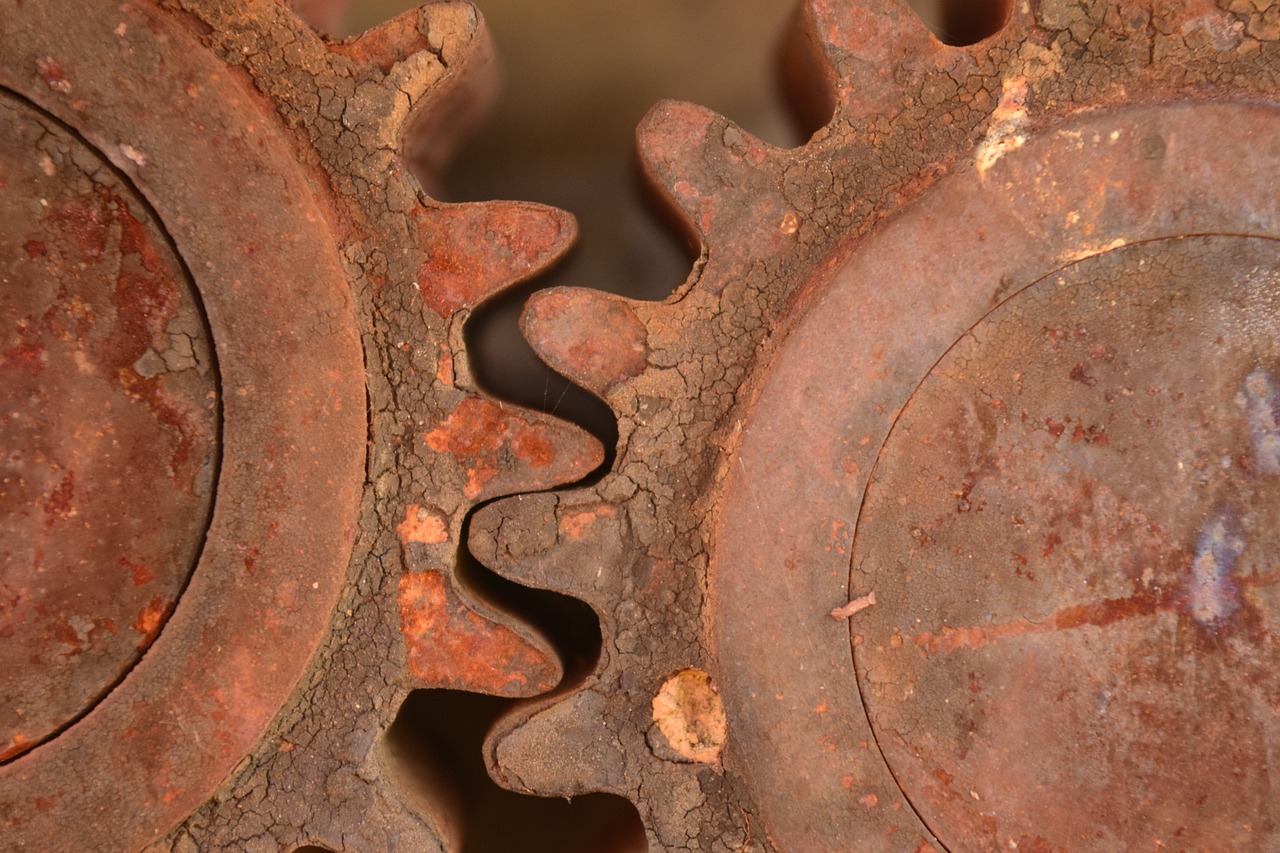
Surface signs of corrosion such as rust are only a small part of the visible process. Harmful environmental factors slowly but inevitably penetrate into the metal, disrupting its integrity. Corrosion usually occurs when steel contacts liquid or gaseous compounds, in particular condensate or atmospheric precipitation. Then, due to oxidation of certain alloy components, the entire material is destroyed. For example, because of high iron content and a small amount of alloying additions, steel 08PS is used in humid and other aggressive environments only after a protective coating is applied.
Steel constantly interacting with the environment — air, water, soil — inevitably undergoes oxidation and corrosion. Temperature swings, petroleum products and mechanical action, chemicals, and salt and alkaline solutions only intensify the problem, leading to loss of strength and making the metal brittle.
It is impossible to stop corrosion completely, but it can be slowed. Various anti-corrosion treatment methods are used for this purpose, including:
When choosing a suitable anti-corrosion method, consider not only the reliability of the chosen solution but also the further service conditions of finished parts and structures. Special attention should be paid to matching the protection method to specific service conditions and the environment in which the metal product will operate. For example, when using alloy 65G to make industrial equipment assemblies, it is more appropriate to create an anti-corrosion coating with other metals rather than paints, because the latter have low resistance to mechanical loads.
Another way to increase a metal’s corrosion resistance is to create a composite material based on it. One example is Damascus steel — a combination of alloy U10A with 7KhNM. The former has high strength, hardness, wear resistance, and the ability to hold an edge for a long time; the latter, due to elevated chromium content, does not rust on contact with water. Thanks to this combination of physical and mechanical characteristics, the resulting composite is excellent for durable and reliable products.
Protecting parts, assemblies, and structures made of precision and other alloys with various metals prevents material oxidation and provides hardness, electrical conductivity (when needed), and wear resistance. In addition, metallized protective layers can serve as a quality decorative coating.
There are several ways to apply metal coatings to prevent oxidation and provide rust protection. Among them:
These coatings are divided into anodic and cathodic according to how they interact with the protected alloy. The former provide electrochemical corrosion protection; the latter protect steel from destruction by forming a mechanical barrier.
When creating such protection it is necessary to consider not only the application method but also the metal type, coating composition, thickness, and uniformity. Careful selection and correct application make it possible to achieve maximum effectiveness and durability of both the protective layer and the product itself.