In the first article about this alloy (recall that steel consists of carbon, iron, and other metals in different ratios) four main steel groups were considered (carbon, alloyed, stainless, and tool).
In reality there are far more steel varieties, because this metal has more than three and a half thousand grades, which are also divided by purpose, quality, and degree of deoxidation.
structural — used in machine building, in construction when creating welded metal structures, and for building utility networks;
tool — indispensable in producing cutting, measuring, and stamping tools;
special-purpose — structural alloyed alloys with special properties — acid-resistant, heat-resistant, heat-resistant high-strength, with high electrical resistance.
ordinary steels — only unalloyed grades; sulfur (S) in the alloy must not exceed 0.06%, phosphorus (P) 0.07%;
quality — may be unalloyed or alloyed (S — no more than 0.04%, P — up to 0.04%);
high-quality — may also be unalloyed and alloyed (sulfur up to 0.02%, phosphorus 0.03%);
extra-high-quality — only alloyed, obtained by electroslag or electric-arc remelting; contain a minimum of harmful impurities (S — no more than 0.015%, P — up to 0.025%).
Deoxidation is the process of removing oxygen from the alloy (this element causes material destruction under high-temperature deformation). By degree of deoxidation steels are divided into:
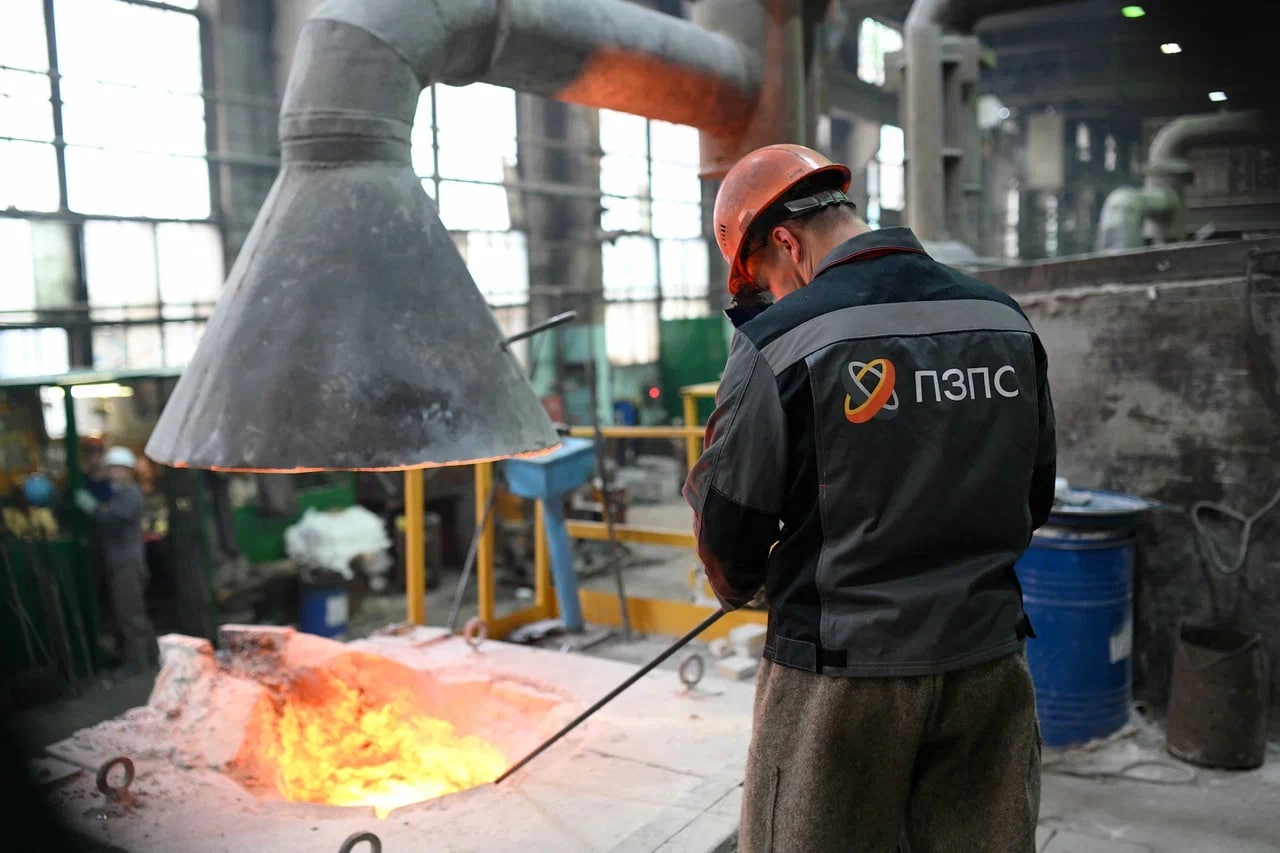
rimmed — as the alloy solidifies, gases are released, creating an imitation of boiling. Manganese is used for deoxidation in this case. Usually low-carbon grades belong to this category. They are tapped from the furnace almost immediately after deoxidizers are added. In some cases the melt is deoxidized in the ladle. Rimmed alloys are used to produce large-section rolled products, which are then remelted into higher-quality material or hot-deformed to obtain rolled products of smaller section;
semi-killed — only carbon steels with good forgeability. Manganese and aluminum are used for their deoxidation;
killed — quality alloyed grades; manganese, silicon, and aluminum are used for deoxidation. Almost all oxygen in these alloys is bound by deoxidizers formed by oxidation reactions, rises upward, and is removed with the slag. The melt cools without gas evolution.
Of course, the full classification of steels is somewhat broader than presented in this and the previous article. For example, alloyed steels and alloys are further divided by structure type, and structural steels are usually divided into construction, cold-stamping, carburizing, spring, and others. However, knowing the basics and understanding differences between metal types will help choose the best material for your future project.
Petersburg Plant of Precision Alloys produces materials to the highest standards, and by choosing us as your partner you can be sure you will receive strong, durable metal. Regardless of industry or order size, PZPS can produce the steel type you need for your business.