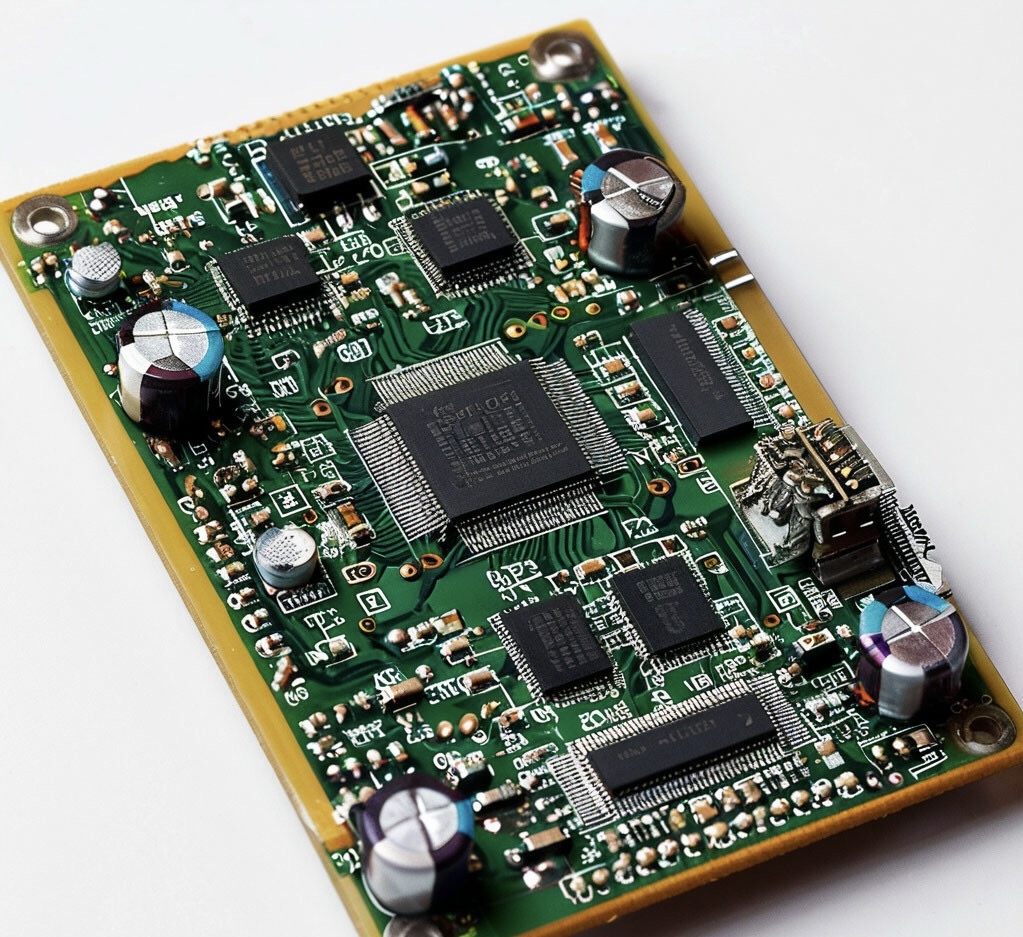
Modern technologies require specialty steels and high-quality alloys that ensure durability, reliability, and efficient operation of electrical and electronic devices. These materials are used in a wide range of fields — from household appliances to complex industrial systems.
In electrical engineering they are used in transformers, generators, and electric motors, substantially reducing energy losses and improving equipment efficiency.
In electronics they are needed for manufacturing instrument enclosures, printed circuit boards, cooling heat sinks, and other components where thermal conductivity, wear resistance, and stability under temperature service conditions are important.
For effective use of metals in electrical engineering and electronics, their key physical and mechanical properties must be taken into account:
Selecting a material with optimal physical characteristics for a specific electronic application makes it possible to ensure high performance, reliability, and longevity of components.
Specialty materials that occupy a central place in the manufacture of various electronic and electrical devices that convert and transmit electrical energy. These steels have special magnetic properties that make it possible to reduce energy losses and raise the efficiency of electric motors, amplifiers, relays, and other equipment.
High magnetic permeability
Electrical steels can magnetize and demagnetize easily, which enables them to transmit and convert electrical energy efficiently.
Low hysteresis losses
In each cycle of magnetization and demagnetization, part of the magnetic energy is lost through eddy currents. Electrical steels have low hysteresis losses, which reduces heating and improves core efficiency in both forward and reverse operation.
Low coercive force
Demagnetizing materials requires an external magnetic field. The higher a material’s resistance to such influence, the harder it is to change its magnetic induction. Electrical steels have low coercive force, which facilitates magnetization and demagnetization.
Isotropic characteristics
Electrical steels should have the same properties in all directions to ensure uniform distribution of the magnetic field.
Depending on chemical composition and processing method, electrical steels may belong to one of the following types:
These materials magnetize and demagnetize easily. They have high magnetic permeability and low hysteresis losses, which makes them ideal for devices where efficient conversion of electrical energy into magnetic energy and vice versa is required. Examples of soft magnetic materials are iron–nickel and iron–cobalt alloys.
Application areas:
They have high coercive force and residual induction, meaning they can retain magnetization even after removal of an external magnetic field. They are used when magnetization must be retained for a long time, for example in the manufacture of permanent magnets.
Application areas:
Materials with high electrical resistivity are characterized by property stability under changing temperature and other conditions. They are used in electronics and electrical equipment where electrical parameters must be controlled precisely.
Application examples:
PZPS produces a number of materials with high electrical resistivity, including alloys of grades Kh20N80 and Kh15N60. You can buy cold-rolled nichrome strip from us manufactured to GOST 12766.2-90 as well as to customer specifications.
Materials with a controlled thermal expansion coefficient have special properties, including characteristic stability under significant changes in service temperature conditions. They are used in various areas of electrical engineering and electronics where precise control of temperature parameters is required.
In microelectronic devices such as integrated circuits and microchips, components made from precision alloys withstand high temperatures without deformation or dimensional change. This ensures accuracy and reliability of device operation. For example, Invar (36N) is widely used in microelectronics and precision optical instruments where resistance to deformation is important.
At PZPS you can buy:
Our enterprise also offers manufacture of steels and alloys to individual customer requirements. All products meet modern quality standards and undergo strict control at every production stage. Contact us for advice and to place an order. Our specialists will help select the optimal solution for your project and answer your questions in detail.