The production of steels and precision alloys is a complex sequence of operations aimed at obtaining high-quality materials from feedstock. There are several melting technologies, each with its own features, advantages, and application areas. Let us consider the main methods of alloy production and steelmaking and their key differences.
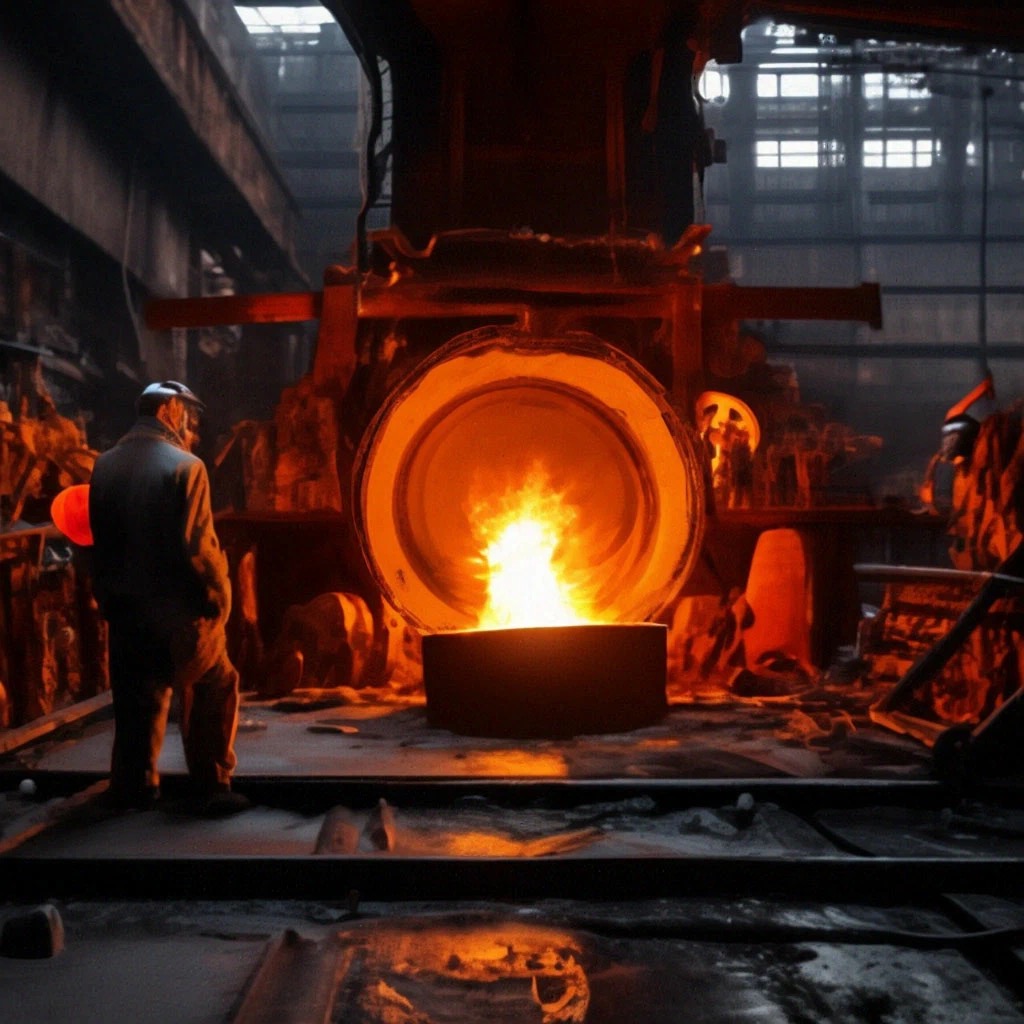
The open-hearth melting process, also known as the open hearth process, was developed in 1864 by French metallurgist Pierre Martin. The engineer used the heat-recovery principle discovered earlier by C. W. Siemens, which made it possible to obtain temperatures sufficient for remelting iron ore into steel.
Melting by the open-hearth method includes several stages:
The open-hearth melting process quickly became popular and substantially increased steel production. Thanks to its efficiency, time savings, and the ability to control alloy quality, it gained substantial advantages over the traditional method such as puddling. However, as the metallurgical industry developed, new technologies gradually displaced the open-hearth process: today this method is almost unused in production.
This is one of the most widespread and efficient methods of industrial steelmaking. Its essence is using oxygen to oxidize impurities and convert them into free gases, and also to remove excess carbon from the melt. The result is high-quality steel with a low content of impurities.
The basic oxygen melting process consists of the following stages:
The basic oxygen process makes it possible to melt various classes of steel for different purposes. It is considered one of the most efficient methods because it allows process control, maximum use of wastes, and reduced emissions of harmful substances. In addition, it requires no additional heat sources, since the heat released during impurity oxidation is sufficient to melt the feedstock.
The main drawback of the method is high equipment costs. However, in the long term it does not look so substantial. High productivity, melting speed (50 minutes versus 4–8 hours for the open-hearth process), environmental performance, and the ability to obtain a quality product have made the basic oxygen method one of the most widespread steelmaking methods in modern metallurgy.
The electric steelmaking method is based on using electrical energy to melt and process metallurgical feedstock. This method is characterized by high efficiency, production flexibility, and environmental safety, which makes it attractive for modern metallurgical industry.
Steel is melted in electric steelmaking furnaces. This equipment is fitted with electrodes immersed in the molten metal, creating an electric arc. As electric current passes through the electrodes and molten materials, the temperature in the furnace rises to a level sufficient to melt the metal.
The main advantages of the electric steelmaking method are:
Along with the advantages, this method also has a drawback. The equipment requires a significant amount of electric power, which increases product cost. Despite this, the electric steelmaking process remains an important tool in modern metallurgical industry. Its flexibility, efficiency, and precision of control of chemical composition have made it a key element in producing various high-quality metal products.
Given the features of the products manufactured and the high quality requirements, PZPS uses only the electric steelmaking method. It makes it possible to produce a wide range of steels and alloys, including high-quality corrosion-resistant grades: 12Х18Н10Т, 12Х18Н9, 12Х18Н9СМР.
Melting of carbon low-alloy steels such as 60С2А, 65Г, 70С2ХА is carried out in an open induction furnace with a capacity of 1 tonne. This method makes it possible to control the production process effectively and ensure the required alloy quality.
For melting precision alloys that require exact chemical composition and special physical and mechanical properties, PZPS uses two vacuum induction furnaces with a capacity of 0.5 tonne. They produce:
In the near future an electroslag remelting unit will be commissioned at PZPS. Introducing the new technology will make it possible to control material chemical composition and melting temperature more precisely, and also to completely exclude gas and non-metallic inclusions in steels and alloys. In addition, electroslag remelting is highly environmentally friendly because it does not require coal coke or other polluting materials, which makes it possible to reduce harmful emissions into the environment.
For questions about purchasing precision alloys and steels, call +7 812 740–76–55 or write on the website. Our specialists will contact you as soon as possible and tell you in detail about the products manufactured.