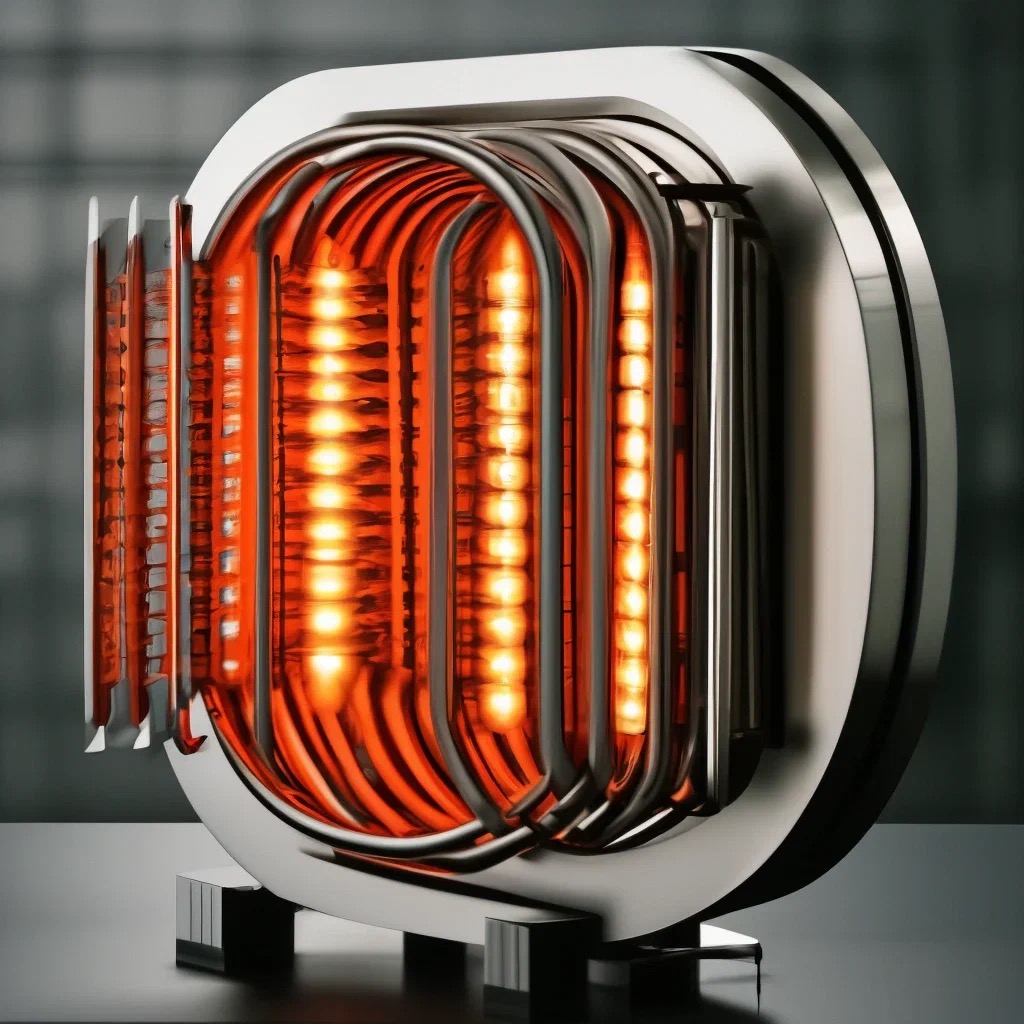
A heater is a key component of electric furnaces playing a determining role in their efficiency and reliability. To ensure high performance and durability of heating systems, specialized alloys such as nichrome and fechral are widely used. These materials meet the strict requirements imposed during service.
For electric furnace heaters the following characteristics are important:
Using precision alloys such as nichrome and fechral in heating elements ensures conformity to these criteria and guarantees effective and durable operation of electric furnaces.
When choosing one of these two alloys it is necessary to take into account various physical properties, strength, oxidation resistance, form of manufactured parts, and of course price parameters. Let us consider these materials in more detail and find out which of them better matches specific service conditions.
A common trait for nichrome and fechral is high specific resistance. Nominal electrical resistance of fechral depends on its marking, and of nichrome — on the diameter of the heating element. It should be noted that fechral possesses a higher melting temperature (1500°C) compared with nichrome (1400°C) and has a lower specific weight.
During heating a thin protective film forms on the nichrome surface raising alloy resistance under aggressive conditions. Fechral possesses higher oxidizability due to elevated iron content, which hinders use of thin wires and strips from this material. In electric furnaces, when oxygen pressure rises, an increase in nichrome oxidation rate is observed, while fechral shows higher resistance in carbonaceous and sulfur-containing furnaces.
Fechral is suitable for high-temperature loads and able to work under such conditions for a long time. Nichrome is better suited for frequent switching on and off but fails more quickly under prolonged heating.
Nichrome possesses ductility at room temperature of at least 20%, while fechral, depending on grade, has lower strength. For example, fechral Kh15Yu5 possesses ductility of about 16%, and Kh23Yu5T — about 10%. Tensile strength is also higher in nichrome, although fechral wins in hardness, which however contributes to its brittleness.
Both materials are released as wire, thread, strip, and bar. Nichrome is usually about three times more expensive than fechral due to the difference in cost of alloy components. For example, iron for fechral is significantly cheaper than nickel used in nichrome.
When deciding on using fechral and nichrome it is necessary to take into account requirements of specific equipment. Each material possesses its unique advantages and limitations, especially under high-temperature conditions, frequent heating/cooling cycles, and aggressive surrounding conditions. For an optimal choice it is necessary to achieve a balance between strength, oxidation resistance, and cost.
Nichrome is a more expensive material with excellent mechanical properties over a wide temperature range. It is characterized by high ductility and weldability, as well as easy processing.
Fechral, conversely, is a brittle alloy that loses its mechanical properties at temperatures above 1000°C. It is magnetic and subject to rusting in a humid environment. Fechral possesses low creep resistance and elongates significantly when heated.
Besides the indicated alloys, other materials such as tungsten, molybdenum, tantalum, and niobium are also used to create heaters. In high-temperature vacuum furnaces, as well as in furnaces with a protective atmosphere, heaters from molybdenum and tungsten able to work at extreme temperatures are applied.
Production of nichrome and fechral at Petersburg Plant of Precision Alloys includes precise control of alloy components to achieve required characteristics. This ensures high quality and reliability of products.
To order the needed alloy or obtain a consultation on selecting material for your project, contact us at the listed number or leave a request on the website. Our specialists will answer all questions and provide detailed information.