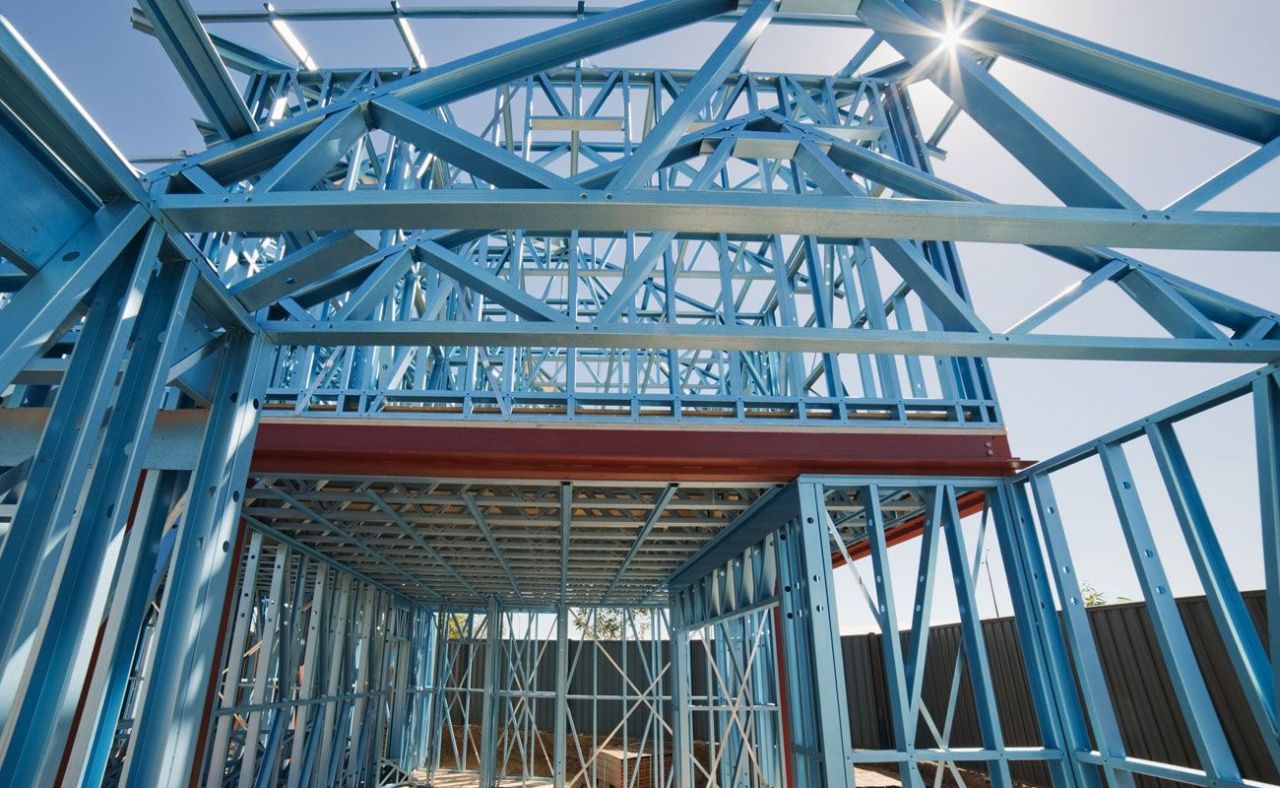
Steel is one of the key materials on which modern architecture rests. The variety of metal types and characteristics makes it indispensable in structures from skyscrapers to bridges.
Building construction is an art that requires high reliability and durability. In this complex process one of the key players is steel — a material that provides not only structural strength but also a variety of design solutions. Let us consider various steels used in construction and learn which of them help create durable, reliable, and aesthetically attractive structures.
One of the most common metals used in construction is structural carbon steel. High strength, resistance to deformation, and durability make it ideal for load-bearing structures. Such steel is often used in building frames, bridges, tunnels, and other engineering structures. Depending on load requirements and operating conditions, various alloy grades may be used, including semi-killed carbon 08PS and high-quality low-carbon 08KP.
Stainless steel is an ideal material for building elements exposed to elevated humidity and other aggressive environments. Such material has high resistance to corrosion and oxidation. Thanks to its durability and resistance it is widely used in roofing systems, facade cladding, and decorative fencing elements.
Alloy steel is a metal enriched with various chemical elements such as nickel, chromium, silicon, and other components. In construction the most common are low-alloy materials that, due to certain alloying additions, acquire the required specific properties. For example, adding nickel improves the metal’s corrosion resistance, and chromium — strength and resistance to high temperatures.
Strength and elasticity are key characteristics of construction steels that determine their ability to withstand high loads and deformations. One of the main parameters is ultimate strength — the maximum allowable mechanical stress beyond which a metal structure will begin to fail. Elastic limit is the value of maximum load upon removal of which the material can return to its original shape. When choosing construction steels these properties must be taken into account. Because if a metal not intended for the planned operating conditions is used, the structure being built will begin to fail quickly, which may cause an emergency.
Another property important for structural steels is hardness — the material’s ability to resist deformations and scratches. It plays an important role in assessing wear resistance, which in turn determines the durability of structures being built. Thus high-strength alloys (for example steels 20 and 70) with high hardness and wear resistance are ideal for elements under intensive mechanical loads.
Chemical and physical-mechanical characteristics of construction steels determine their ability to withstand loads. Exactly this information helps engineers and architects choose suitable materials for various projects, ensuring reliability, safety, and durability of the structures created. If you are looking for an alloy that best matches your tasks, contact us. Our engineers will help select the right material and answer all questions in detail.