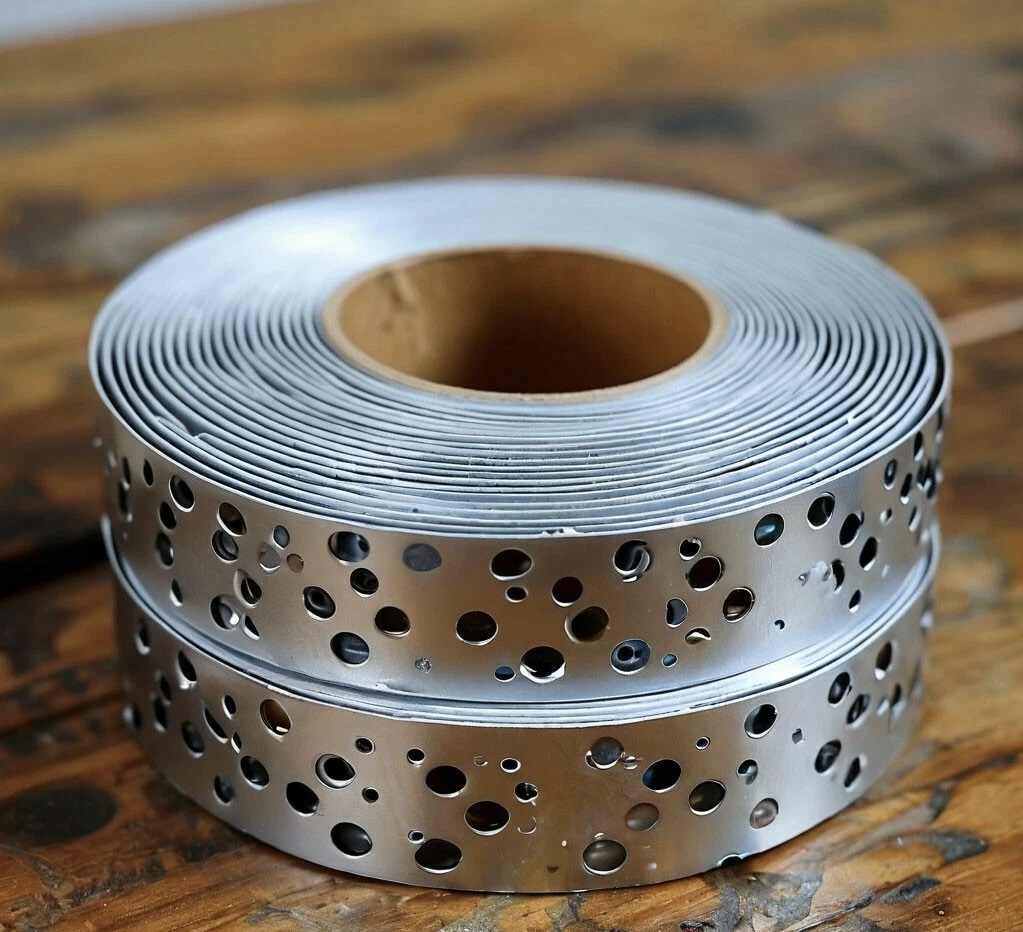
Stamping is a materials processing technology in which a workpiece is given a defined shape and dimensions using a special tool — a die. Stamping makes it possible to produce metal or other-material parts quickly and accurately in large volumes while maintaining high geometric precision.
Main types of stamping
Stamping is a plastic deformation method in which the workpiece takes the shape of the die under pressure. Depending on the temperature state of the material, two main types of stamping are distinguished:
- Hot — the material is heated to high temperatures to increase its ductility and reduce resistance to deformation. This method is used for refractory metals or large workpieces.
- Cold — the process is performed at room temperature. This approach provides higher dimensional accuracy and surface finish, making it preferable for precision parts.
Stamping is a versatile technology used in a wide range of industries, from heavy industry to high-precision electronics.
Examples of stamped part applications
Stamping is widely used in industries where high accuracy and strength of equipment are required:
- Aerospace industry. In aviation, precision alloys are used to manufacture parts for aircraft, rockets, and spacecraft. Strip of grades 49K2FA-VI and 27Kh is stamped into rotor and stator elements that must combine high strength with high magnetic properties.
- Medical equipment. Precision strip, in particular 40KhNM, serves as a basis for surgical instruments, joint prostheses, and implants.
- Electronics. Alloys of grades 50N, 50NP, 79NM, 80NM, and 81NMA are used in the manufacture of electronic components: inductor coils, chokes, relays, and transformers.
- Chemical industry. Alloys 12Kh18N9 and 12Kh18N10T are used in the chemical industry to manufacture equipment and pipelines that contact aggressive media. Strip is used to make parts resistant to corrosion and chemical attack.
- Power generation. Alloys 20Kh13 and KhN78T are used to produce power-plant components and other equipment. Strip is stamped into turbine parts, generators, and other devices.
- Watchmaking. Alloy 40KhNM is used to make springs, gears, and other watch-mechanism elements.
The method has become widespread thanks to its high accuracy, speed, and cost-effectiveness. The stamping process allows both simple and complex products to be made with minimal material waste.
Stages of the stamping process
The stamping process includes several key stages. Each of them ensures the required shape, accuracy, and quality of the finished product:
- Preparation. The starting material — for example, metal strip — is first cleaned: dirt, scale, oil residues, and other impurities are removed. Where necessary, process coatings are applied, such as lubricants or anticorrosion compounds that reduce friction and improve finished-product quality. If the material is supplied in coils, the strip is cut into blanks of the required size.
- Heating (for hot stamping). The material is heated to a temperature at which it becomes more ductile and easier to deform. The heating temperature depends on the properties of the specific material.
- Placing the material on the die. The blank is laid on the working surface of the lower die part — the matrix. Precise positioning is important for dimensional accuracy and defect prevention. On automated lines, this is done with feed mechanisms.
- Applying pressure. At this stage, press equipment with adjustable striking force is used; the force depends on material thickness, ductility, and form complexity. For complex shapes or massive parts, hydraulic or pneumatic presses are used to distribute the load evenly. This stage is key to the stamping process, as it determines the final dimensions and shape of the product.
- Removing the finished product. The finished product is removed from the die using mechanical or automated means. Flash (excess material formed at the edges) is removed by laser cutting, press trimming, or grinding.
- Cooling (for hot stamping). The finished product is cooled in water, oil, or air, depending on microstructure requirements. In some cases, additional tempering is performed to relieve internal stresses.
- Quality control. The final stage includes checking geometric parameters, structural characteristics and, where necessary, physical properties of the product (for example, magnetic or elastic). Non-destructive testing methods may also be used at this stage: ultrasonic flaw detection, radiographic analysis, and others.
Each stage is strictly governed by a process chart, which ensures stable quality and accuracy of the finished product.
Advantages of precision-alloy strip for stamping
Precision alloys ensure high accuracy and reliability of finished products. Their unique properties make such materials indispensable for stamping:
- High dimensional and form accuracy. Precision alloys are manufactured to high accuracy, making it possible to obtain products with minimal deviation from specified parameters. This is especially important for high-precision parts used in aviation, medical equipment, and electronics.
- Workability. Thanks to their ductility, precision alloys withstand significant loads without fracture or cracking. This makes it possible to obtain complex shapes and detailed surfaces without loss of quality.
- Property stability. During stamping, the alloys retain their physical and mechanical characteristics: resistance to deformation, corrosion, and thermal loads.
- Versatility. Precision strip is suitable for various types of stamping, such as deep drawing, bending, and forming. This makes it a versatile tool for producing a wide range of products.
These advantages ensure broad use of precision strip across many industries.
Materials used for stamping
The following groups of materials produced at PZPS are used to manufacture parts:
- Soft magnetic alloys:some text
- 50N, 50NP — for parts with minimal hysteresis losses;
- 79NM, 80NM, 81NMA — materials for high-frequency components;
- 49K2FA-VI, 27Kh — alloys with high magnetic characteristics used in rotors and stators.
- Alloys for elastic elements:some text
- Alloys with a low coefficient of linear expansion:some text
- 29NK, 36N, 42N — ensure dimensional stability under temperature changes.
- Electrical steels:some text
- Corrosion-resistant steels:some text
- 12Kh18N9, 12Kh18N10T — used in the chemical and food industries to manufacture tanks and pipelines.
- Heat-treated strip:some text
PZPS offers reliable solutions for the most challenging tasks. We guarantee consistently high product quality, an individual approach to every project, and strict control at all production stages. Modern equipment, experienced specialists, and a broad product range enable us to meet the needs of enterprises in various industries — from aviation to medicine. By choosing PZPS, you gain not only world-class products but also a partner who helps you succeed. Contact us today to discuss your project and find optimal solutions for its implementation!