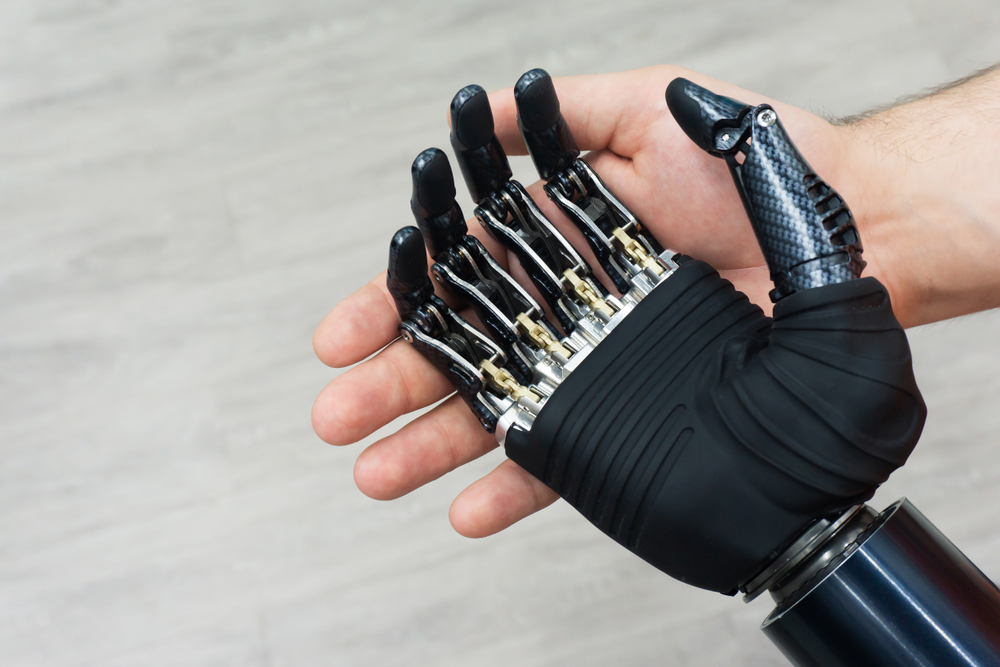
Prosthetics is one of the most important areas of medicine making it possible to replace lost or damaged body parts and return people to normal activity.
In the modern world metals play an invaluable role in various industries, and medicine is no exception. One of the most significant directions of their application is prosthetics, which helps restore functionality and quality of life for many people. Let us consider which metals are used in prosthetics and why they are the best choice for this sphere of medicine.
For a particular alloy to be applicable for creating implants, it must possess the following qualities:
Metals used in prosthetics possess high resistance to mechanical loads — this is especially important for prostheses subject to constant physical stresses. They also retain their properties for a long time and have a minimal risk of rejection and development of allergic reactions.
Titanium
One of the most widespread metals used in medicine for creating prostheses. Titanium is considered an excellent material for replacing joints and bones. It possesses high strength and lightness, which reduces load on weakened tissues and contributes to fast recovery after surgery. Thanks to its biocompatibility it practically does not cause rejection, which substantially reduces the risk of complications after prosthesis implantation.
Cobalt-chromium
Cobalt-chromium alloys have found wide application in prosthetics, especially in creating artificial joints and bone implants. They possess excellent strength and wear resistance, which makes such materials ideal for durable prostheses. Thanks to their mechanical properties, cobalt and chromium alloys make it possible to retain stability and functionality of the prosthesis for many years, which is especially important for patients with an active lifestyle.
Stainless steel
Stainless steel is also applied in some kinds of prosthetics, although it is less widespread compared with titanium or cobalt-chromium. It possesses high strength and excellent corrosion resistance, which makes stainless steel suitable for certain medical implants. However some patients may show allergic reactions to constituent elements of such steel, therefore doctors must take into account individual features of each patient before choosing prosthesis material.
Tantalum
The least widespread material in medicine; however its unique properties make tantalum valuable in prosthetics. It possesses high biocompatibility, chemical inertness, and low toxicity. It is considered the safest for use inside the body. Tantalum implants are usually applied in spine surgery and other areas where stability and absence of negative effects on surrounding tissues are important.
Magnesium alloys
In recent years researchers and engineers have begun to pay attention to magnesium alloys for prosthetics. Magnesium is one of the lightest structural metals, and its alloys possess outstanding mechanical characteristics. Thanks to its biodegradability, magnesium prostheses can be absorbed by the body as tissues heal, which excludes the need for repeated surgical interventions.
Despite significant achievements in the field of prosthetics, it is expected that the future of medicine will be even more impressive and innovative. It is not excluded that in the coming years such technologies will become available to many people as:
Metals are an integral part of prosthetics, as they are an important element of medical implants. Modern materials such as titanium, cobalt-chromium, and stainless steel possess excellent properties and are successfully applied in medicine. However the future of prosthetics promises even more impressive innovations that will make it possible to create maximally effective, personalized, and comfortable prostheses able to improve quality of life for millions of people worldwide.