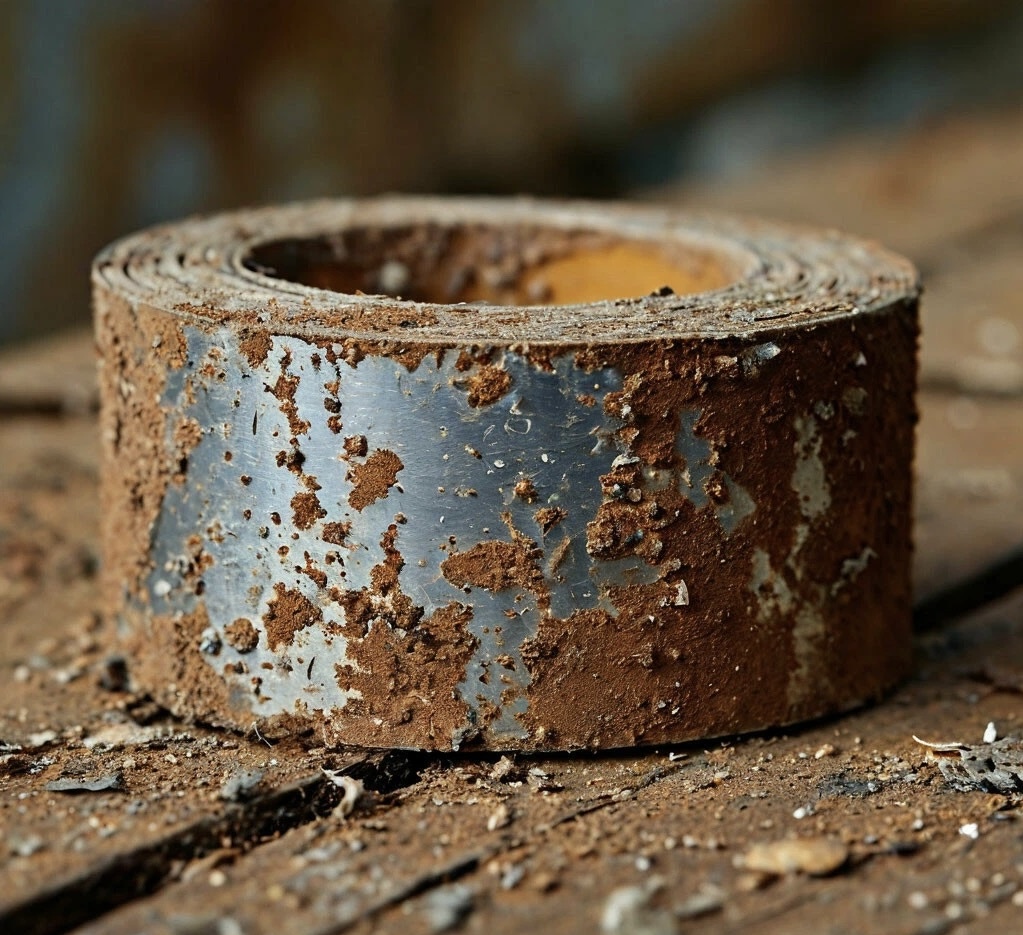
Intergranular corrosion (IGC) is a dangerous form of metal destruction in which corrosion processes occur along grain boundaries in the material structure. This type of corrosion is a serious threat to metal service characteristics because it causes loss of strength, plasticity, and ultimately product failure. This problem is typical of corrosion-resistant steels, especially when operating in aggressive environments or after heat treatment. Let’s look at causes of IGC, test methods, and ways to protect materials.
IGC can be caused by several key factors:
When working with chromium steels it must be remembered that in combination with carbon chromium can form carbides. These chemical compounds segregate to grain boundaries, leading to formation of corrosion-active zones and raising IGC risk.
To prevent intergranular corrosion it is important to consider features of selected materials as well as recommended heat-treatment regimes. When working with most steels and alloys, including corrosion-resistant ones, the material should be protected from aggressive environments.
One of the main causes of IGC in corrosion-resistant alloys is prolonged heating during welding or pressure working, leading to electrochemical heterogeneity (surface non-uniformity) and disruption of bonds between grains. Temperature exposure also causes depletion of near-boundary regions of elements that conferred material resistance to aggressive environments.
To assess steel susceptibility to intergranular corrosion, tests are conducted in accordance with GOST 6032–2017. During the study the material is exposed to high temperatures and aggressive chemical environments to simulate conditions under which IGC may develop.
This method makes it possible to accurately determine how resistant a material is to intergranular corrosion under real service conditions, which is especially important for steels intended for use in aggressive environments.
Corrosion-resistant steels have a wide application spectrum thanks to resistance to atmosphere and other aggressive environments. Among corrosion-resistant materials several main groups stand out.
Ferritic, martensitic–ferritic, and martensitic steels
These steels, containing a significant amount of chromium, after air cooling obtain a ferritic, martensitic, or martensitic–ferritic structure. They resist corrosion under moderate temperatures (up to 300°C), including in the presence of nitric acid, humid atmosphere, tap water, and organic compounds. However, in seawater such steels are subject to stress corrosion cracking.
Steel example: grade 20Kh13 produced by PZPS is a representative of martensitic steels distinguished by good mechanical properties and corrosion resistance.
Austenitic corrosion-resistant steels
These steels were developed in the early twentieth century by German engineer Benno Strauss, who at that time was director of the research institute of Krupp Iron Works. In 1912 B. Strauss with colleague E. Maurer patented the first austenitic alloy containing 7% nickel and 21% chromium. Since then such materials have become among the most popular thanks to high service characteristics. The most widespread steels are grades 03Kh18N12, 04Kh18N10, 12Kh18N9, 12Kh18N10T, and 17Kh18N9.
Chromium–nickel alloys obtain an austenitic structure during air cooling. Compared with chromium steels, chromium–nickel steels have higher corrosion resistance that does not decrease when the material is heated.
After quenching austenitic steels acquire the following properties:
Steel example: PZPS produces austenitic steels of grades 12Kh18N9, 12Kh18N10T, 12Kh18N9SMR, and 10Kh17N13M3T, which find use in chemical and food industries thanks to corrosion resistance and processability. In addition, development and manufacture of other corrosion-resistant alloys is possible at the plant.
To minimize intergranular corrosion risk the following factors must be considered:
PZPS specializes in producing high-quality steels of various classes. The company’s products meet international standards and undergo strict control for intergranular corrosion resistance. Thanks to high processability and a wide range, PZPS products find use in various industries — from mechanical engineering to the chemical industry.
Contact us for consultation or to place an order — we will help choose steel that meets all your requirements.