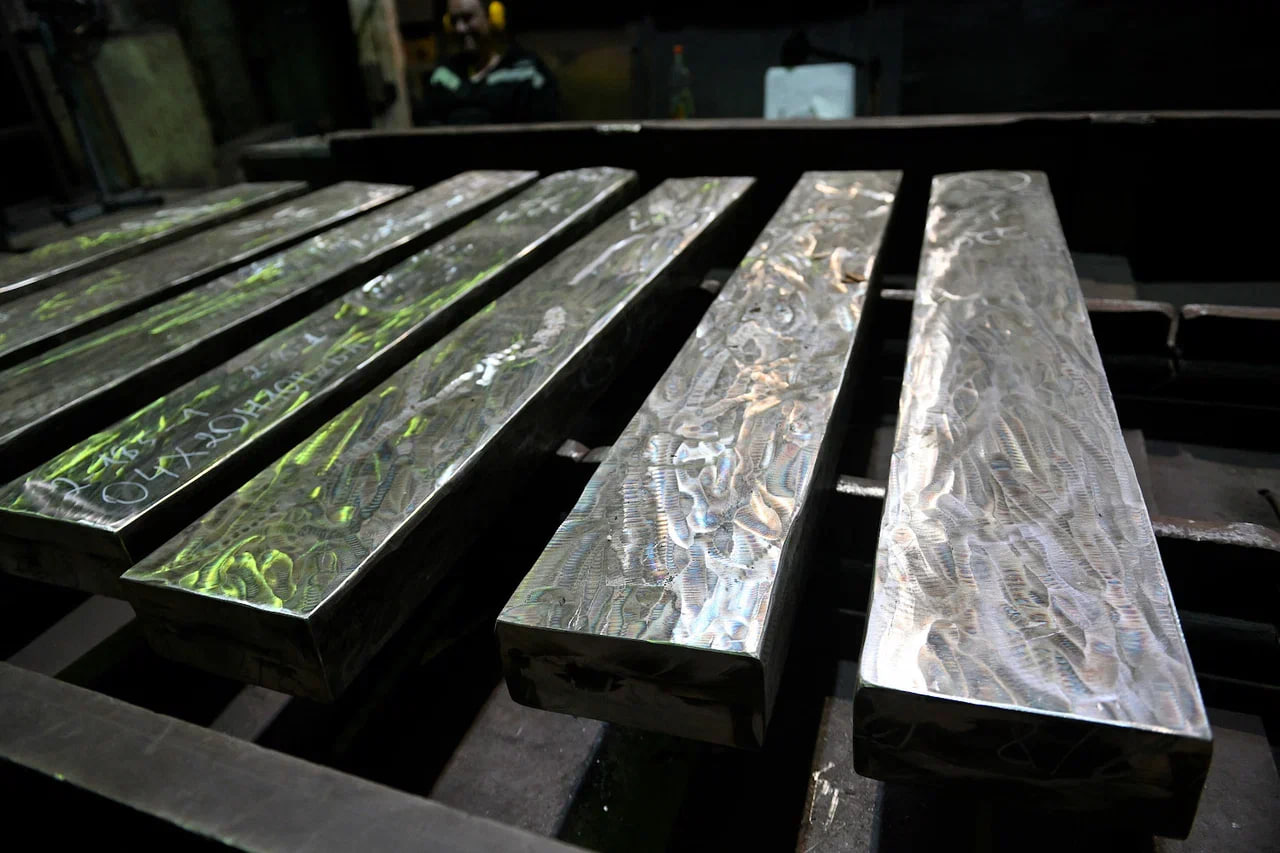
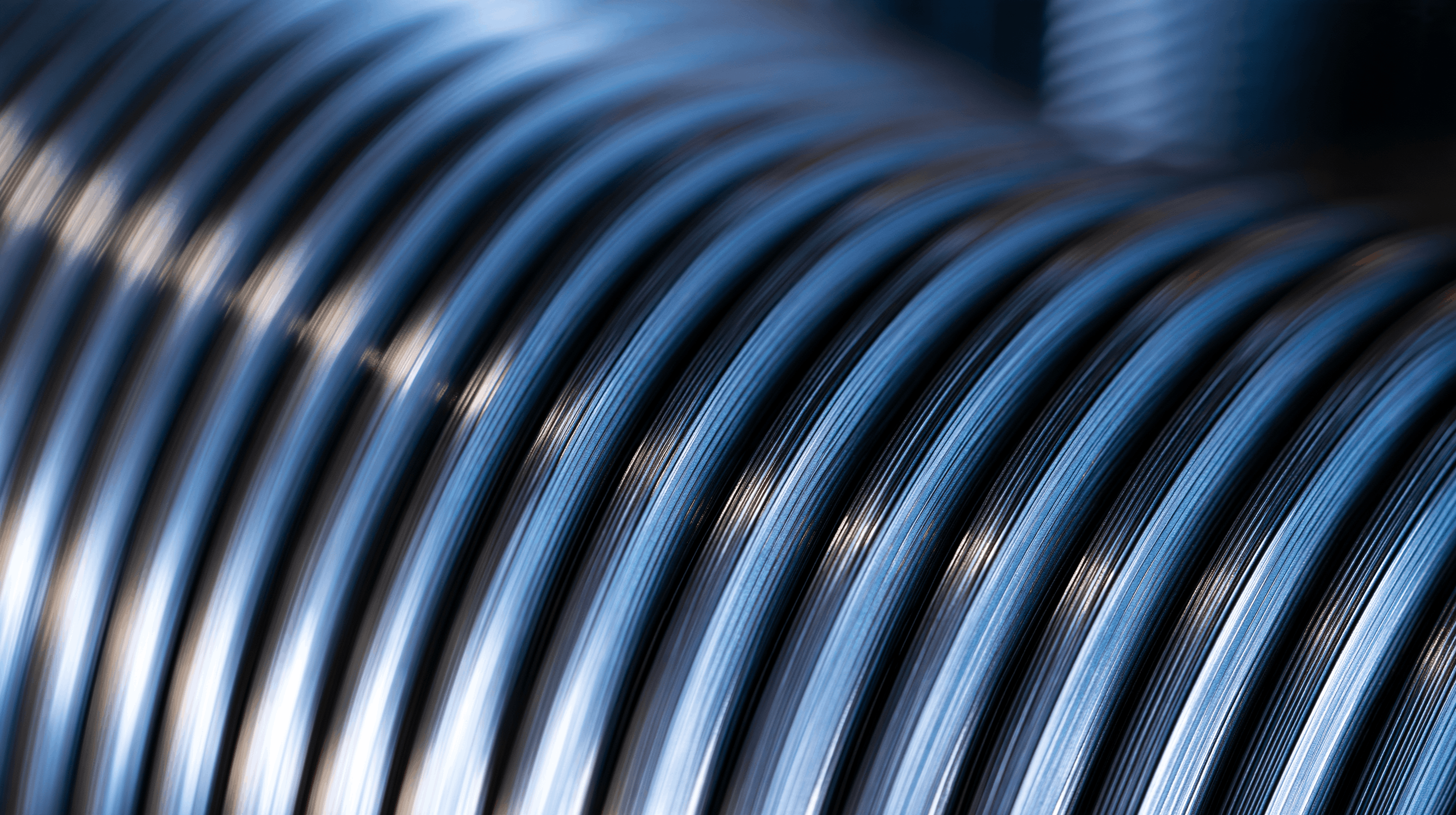
For example, without aluminum there would be no transport — road, rail, or air. Without copper we would lose microwave ovens. And smartphones contain a whole scatter of metals, even if in small amounts: cobalt, lithium, tungsten, molybdenum, and others, including gold and silver.
Metals have become so widespread in our lives thanks to their unique properties: strength, uniformity, electrical conductivity, and so on. But metals are rarely used in pure form; mainly they are used as alloys consisting of a mix of two or more elements. The resulting material acquires the needed characteristics that pure metals cannot provide. First of all, alloys are created to give metal products greater strength, corrosion resistance, hardness, or, conversely, ductility. Another advantage of such compounds is that for each specific application an alloy with the most suitable property range can be selected.
Alloys are also divided into groups; we will not go deep into that — the important point is this. Because of high-tech development, requirements for alloy purity continually rise, and materials with clearly specified physical and chemical properties are needed. For example, certain conductivity, malleability, resistance to temperature swings, and so on. This is where the already indispensable precision alloys appear. They take their name from the French word precision — accuracy.
Precision alloys are highly alloyed metal combinations with a predetermined set of properties and characteristics, produced with strict process adherence and without foreign inclusions in the structure. Composition accuracy is the main condition for producing precision alloys. Choosing the elements in the alloy and their precalculated ratio endow the manufactured material with special properties needed in each specific case and field of use. Without these compounds industries such as electrical engineering, aviation, energy, optics, nanotechnology, and others could not fully exist today.
Most precision alloys are made on the basis of ferrous metals, and only a few on non-ferrous. Materials are divided into seven categories depending on their properties, namely: soft magnetic alloys, hard magnetic alloys, alloys with a specified temperature coefficient of linear expansion, alloys with specified elastic properties, superconducting alloys, thermobimetals.
The first precision alloy is conventionally considered invar — an iron-nickel compound created in 1896 by French physicist Charles Guillaume. The scientist sought an inexpensive material for mass and length standards, because at that time a very expensive platinum-iridium alloy was used for these purposes. For discovering invar Guillaume was awarded the Nobel Prize in 1920.
At present almost all possible metal compounds are known. Domestic metallurgy keeps pace in this field. In Russia modern requirements regarding precision alloy grades, their classification, chemical composition, and properties are regulated by GOST 10994-74, as well as a number of international standards and other standardization documents for specific grades and product forms.
However, the search for and development of new “super-materials” will always continue. For precision alloys are modern works of art of the metallurgical industry — true precious building blocks from which our technological future is built.