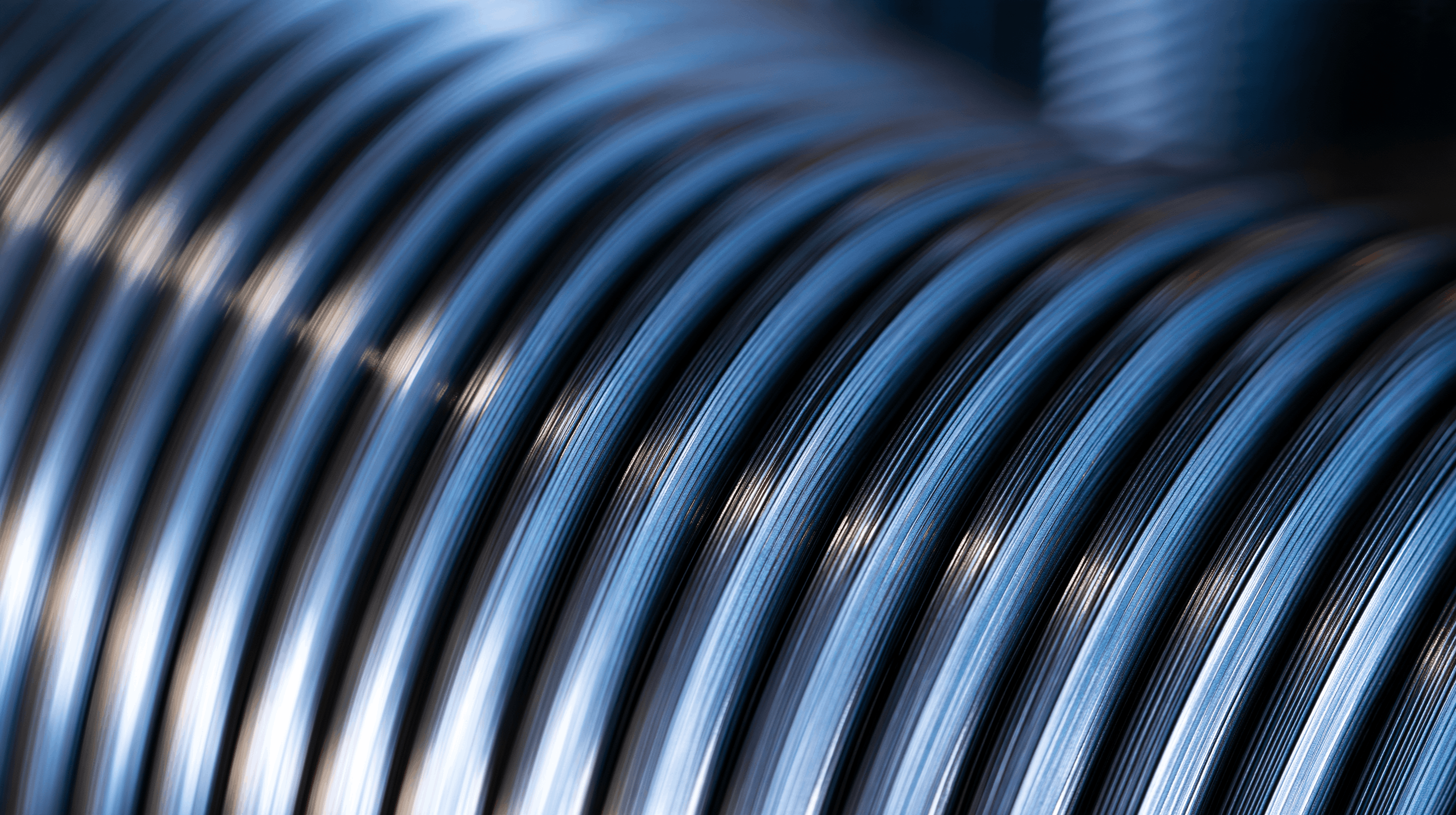
Alloys with specified elastic properties (spring steels) have high resistance to small plastic deformations under both short-term and long-term loads, heat resistance, and corrosion resistance when used in adverse atmospheric conditions and a number of aggressive environments. Composition includes nickel (Ni), chromium (Cr), cobalt (Co), niobium (Nb), molybdenum (Mo), rhenium (Re). They are produced as cold-rolled strip, band, or sheets, and also as wire, bars, and tubes.
Requirements for spring steels, their physical properties, and chemical composition are regulated by GOST 10994-74. According to this document, alloys must have not only high elastic properties but also:
Under high pressure these alloys must retain their deformed state, and under reverse action — quickly return to the original shape.
Thanks to their characteristics, steels of this class of precision alloys are widely used in manufacturing:
Thanks to chemical neutrality and absence of rejection by living tissues, such alloys have also become widespread in medicine.
Steel grades 36NKhTYu, 40KhKhNM, and 40K27KhNM are used to produce medical instruments, including injection needles, and materials implanted in the human body. One domestic enterprise that independently mastered the full production cycle of alloy 40KhKhNM and successfully manufactures it is in the northern capital — Petersburg Plant of Precision Alloys.
Alloys with specified elastic properties differ in physical and mechanical properties and chemical composition and accordingly have their own technological production features. In total, 3 groups of spring alloys can be distinguished:
The second group also includes all tuning-fork bimaterials used to produce stabilizers and filters.
In total, 12 main steel grades belong to precision alloys with specified elastic properties. Each has found its field of application.
Steel grade 42NKhTYu is used to produce elastically sensitive parts and equipment whose working temperature does not exceed 100°C; 44NKhTYu — for similar elements with working temperature up to 200°C; 17KhNGT and 36NKhTYu — up to 250°C (36NKhTYu is also used for injection needles); 43NKTYu and 97NL — up to 300°C; 36NKhTYu5M — up to 350°C; 36NKhTYu8M — up to 400°C; 68NKhVKTYu — from 196°C to 500°C.
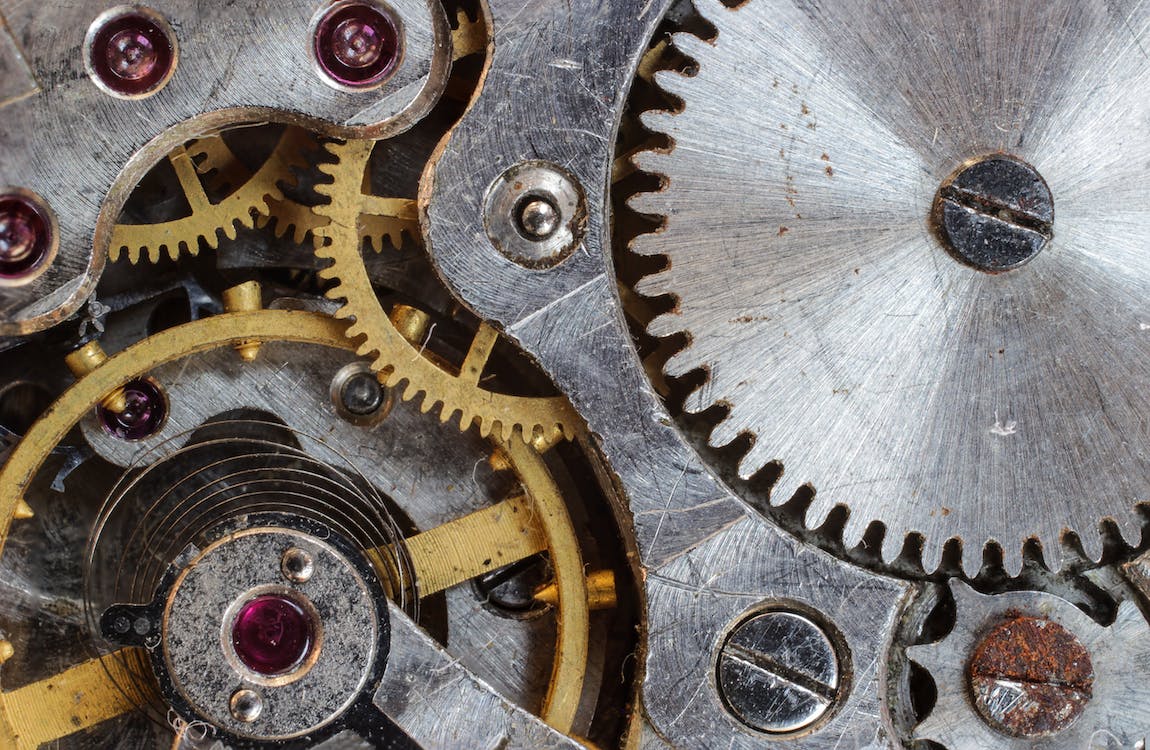
Steels 40KNKhMVTYu and 42NKhTYuA are used to produce watch mechanisms and various spring elements; 40KhKhNM is also used in surgery for suturing blood vessels, fastening bones, and installing joint prostheses.