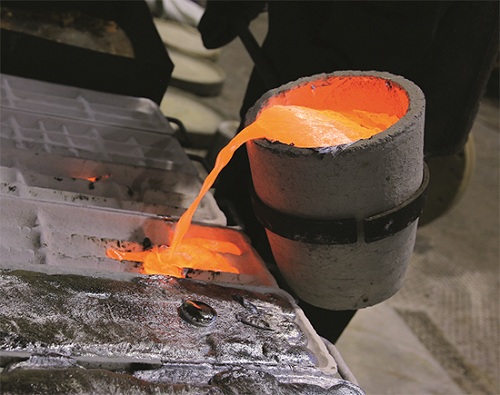
About 50 chemical elements are classified as heavy metals, and 17 of them are extremely widespread and very toxic, including lead, aluminum, mercury, cadmium, and others.
The toxicity level of heavy metals depends on many factors, including the state of the human body, its immunity, congenital and chronic diseases, and much more. Meanwhile dangerous chemical compounds can negatively affect not only physiological processes in the body but also a person’s psycho-emotional state.
Sources of heavy metals can be drinking water, food products, cosmetics, household chemicals, and exhaust gases. But workers in the metallurgical and mining industries are most exposed to the negative influence of these chemical elements.
Industrial dust at metallurgical enterprises often contains particles of metals and other abrasive materials. Among toxic substances characteristic of this industry one can distinguish benzene, iron oxides, hydrogen chloride, lead, manganese, mercury vapors, phenol, formaldehydes, chromium and carbon oxides, and other chemical compounds. When these toxic substances enter the body through the respiratory tract, they first attack the bronchi and lungs, promoting development of various respiratory system diseases. Pneumoconioses and dust bronchitis become a frequent consequence of industrial dust exposure.
Toxic gases also pose a substantial danger for metallurgical industry workers. Prolonged contact with them can cause not only intoxication of the body but also lead to development of so-called foundry fever, accompanied by a febrile state. In addition, exposure to toxic gases can negatively affect human skin and cause various forms of dermatitis, including contact and photodermatitis. They can also cause inflammation of hair follicles and nail damage (onychia or paronychia).
It is important to stress that metallurgical industry workers are at risk of exposure to heavy metals and toxic gases throughout their working life. This can have serious consequences for their health, causing a number of chronic diseases of the lungs, skin, and other organs. To prevent such risks, at Petersburg Plant of Precision Alloys we strictly observe safety measures, including norms for processing and disposing of toxic substances, as well as rules for using PPE (personal protective equipment) and other protective gear.