Tungsten (W) is the 74th element of D. I. Mendeleev’s periodic table. It belongs to the refractory and high-boiling metal groups. It has a gray color with a pronounced steel luster. It has high electrical resistance and an elevated TCLE (temperature coefficient of linear expansion). The metal can be forged, rolled, and otherwise processed only after heating to 1,400…1,600°C. It is a paramagnet, i.e. it can be magnetized in an external magnetic field. In nature it occurs as oxidized deposits.
Discovery of tungsten is credited to several scientists. In 1781 the element was found by Swedish chemist Carl Wilhelm Scheele in a mineral. Besides tungsten itself, the mineral also contained calcium oxide. Initially the mineral was named Tungsten, which in Swedish means “heavy stone.” It is now also known as scheelite.
Two years later, in 1783, tungsten was found by the Spanish chemist brothers d’Elhuyar. By dissolving another mineral in nitric acid the scientists obtained a precipitate of manganese and iron oxides and a previously unknown metal. The mineral was named wolframite, and the element obtained — tungsten (wolfram).
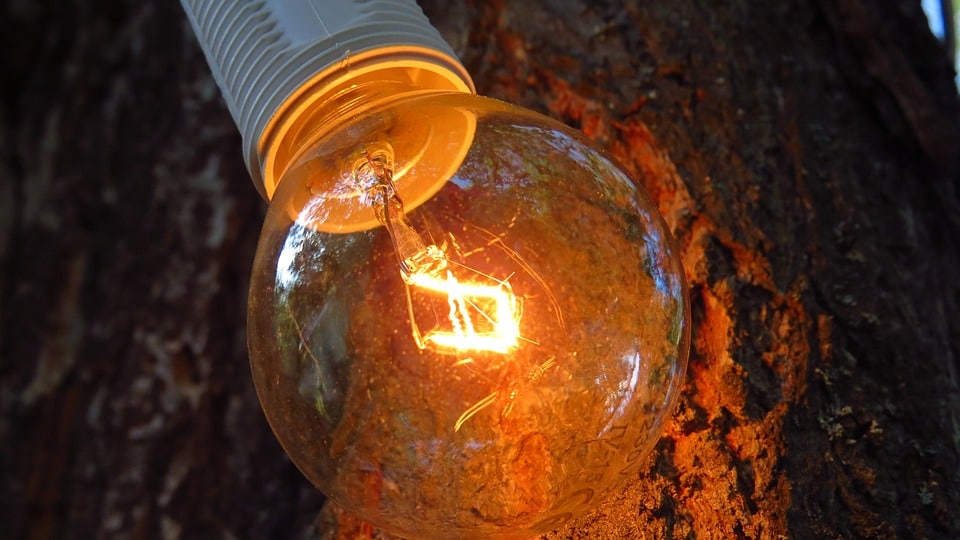
Heating elements, components for X-ray machines, screens for vacuum furnaces, and other products intended for high-temperature use are made from tungsten. The best-known W product is the tungsten filament for incandescent lamps. Tungsten is also often used as a constituent of a number of precision alloys.
Tungsten is mainly used in producing:
In addition, tungsten is widely used in the chemical industry to produce paints, pigments, and catalysts.
Tungsten is a rare metal: the Earth’s crust contains approximately 0.00013% of it. The largest deposits of the element are in the USA, Canada, the People’s Republic of China, and Kazakhstan. There are also deposits in the Russian Federation, Bolivia, Uzbekistan, Portugal, and Korea. About 48–50 thousand tonnes of tungsten are produced annually, 80% of them in China.
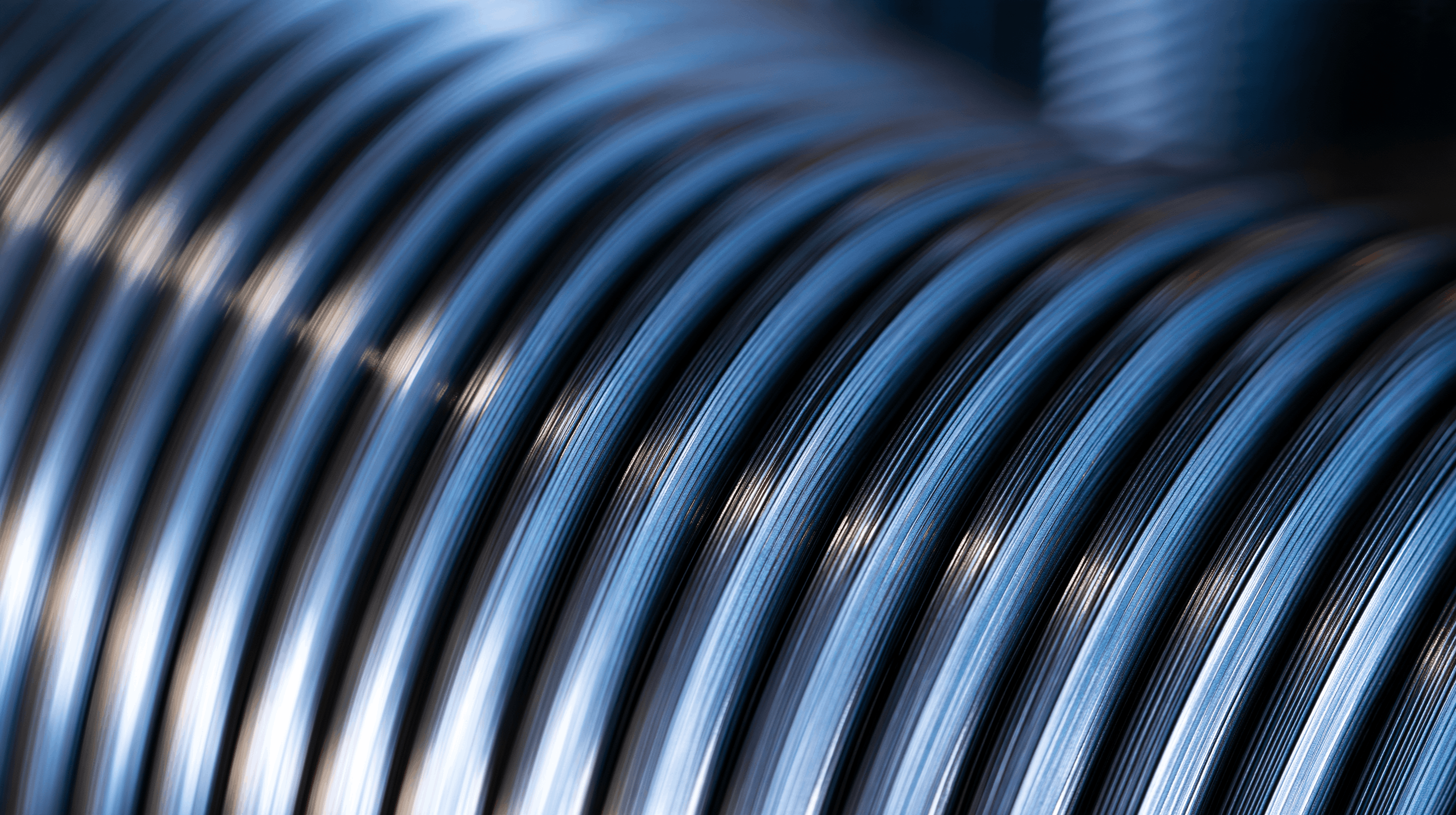
Like all rare metals, tungsten is obtained by processing raw materials into chemical elements. After preliminary ore beneficiation, alloy leaching is carried out, yielding a product containing at least 99.9% tungsten anhydride (WO3). From it, pure tungsten powder is produced by reduction with carbon and hydrogen and is subsequently used to manufacture compact billets. Cold-rolled strip, wire, bar, and other products are made from the resulting ingots and rods.