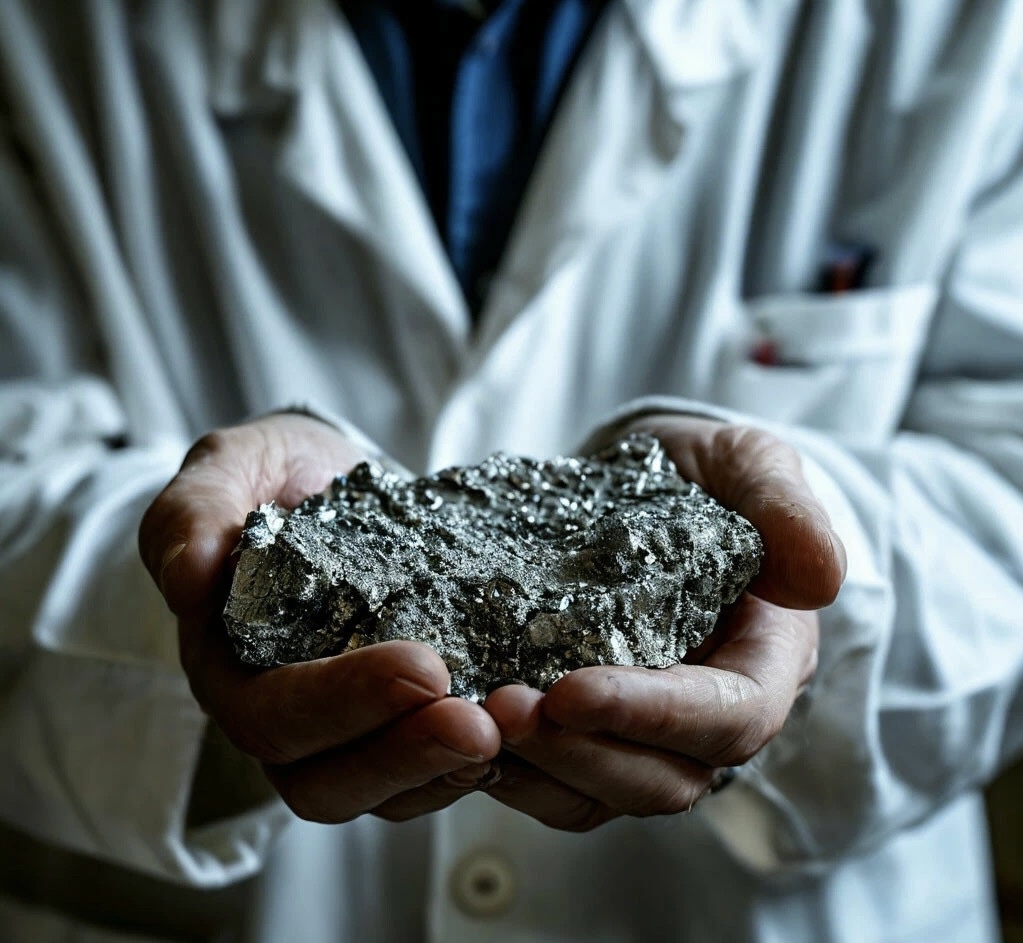
On November 10 the world community observes World Science Day for Peace and Development, established by UNESCO in 2001. This holiday emphasizes the important role of knowledge in building peace and a sustainable society, popularizes scientific achievements, and strengthens international cooperation for joint development of science among countries.
History of creating the holiday
The idea of establishing World Science Day was born at the conference “Science and Society” held in Budapest in 1999. At that international forum experts from different countries concluded that science and innovation can play a key role in solving global problems — from environmental and medical to energy. UNESCO supported this initiative, affirming annual celebration of World Science Day, thereby encouraging countries to use scientific achievements for sustainable joint development.
Goals and objectives of the celebration
World Science Day for Peace and Development helps society recognize the importance of science and technology and encourages sustainable dialogue between scientists and the public. Main goals of the celebration include:
- supporting international cooperation — exchange of knowledge and experience among scientists of different countries for effective solution of common problems in science and technology;
- popularizing science — drawing attention to the importance of scientific research and achievements for everyday life and global progress;
- promoting science development in developing countries — UNESCO actively supports scientific research in developing regions, helping these countries solve their own unique problems;
- forming dialogue among scientists, policymakers, and society — events held as part of this holiday serve as platforms for discussing scientific priorities and forming science-based policy.
Every year as part of World Science Day conferences, exhibitions, lectures, and seminars are organized to raise awareness of the importance of science and technology for societal development and a sustainable world.
PZPS products — high technologies for solving complex tasks
Precision alloys produced by PZPS are the result of scientific research and are used in industries such as medicine, aviation, and microelectronics. These high-tech materials have unique physical and chemical properties achieved through complex compositions and advanced production processes.
Precision alloys: reasons to be knowledge-intensive
Producing precision alloys requires the most modern technologies as well as deep specialized knowledge and experience. The knowledge intensity of precision alloys is due to the following factors:
- Complex chemical composition. Precision alloys contain combinations of various components, each of which affects the material’s unique properties. For example, elements such as chromium, nickel, and copper are added to create alloys with high electrical resistivity, which requires comprehensive knowledge in chemistry, metallurgy, and materials science.
- Strict requirements for characteristics. Properties such as strength, magnetic permeability, temperature stability, and corrosion resistance determine product quality and are ensured by careful control at every production stage.
- Application in high-tech fields. Precision alloys are used in complex industries such as aerospace and microelectronics, where materials are subject to high loads and temperature swings requiring exceptional reliability and high quality standards.
- Continuous development of new alloys. PZPS engineers and scientists conduct research aimed at creating alloys with new improved characteristics for various fields, including medical technologies and the energy sector.
- Thorough quality control. Strict testing of alloy parameters at every production stage includes analysis of chemical composition and structure compliance, as well as control of physical and mechanical properties. This is especially important for soft magnetic alloys, where maximum accuracy in determining characteristics is required.
All this requires combining efforts of scientists, engineers, and technologists, as well as continuous improvement of process technologies.
Main groups of precision alloys produced at PZPS
The Saint Petersburg Precision Alloys Plant produces a range of materials needed for various industries:
- Soft magnetic alloys (27KKh, 49K2FA-VI, 50N, 50NP, 79NM, 80NM, 81NMA) — used in transformers, magnetic amplifiers, and sensors. Characterized by high magnetic permeability and low coercive force.
- Alloys for elastic elements (17KhNGT, 36NKhTYu, 40KKhNM) — resist fatigue loads and retain elastic properties, making them ideal for use in springs, diaphragms, and pressure gauges.
- Alloys with high electrical resistivity (Kh15Yu5, Kh23Yu5, Kh23Yu5T, Kh20N80N, Kh15N60N) — have elevated resistance to heating and corrosion; used in heating elements, resistors, and other electrical components.
- Hard magnetic alloys (EP-298, 13NKhM) — used in producing permanent magnets; have stable coercive force and high residual induction.
- Alloys with specified thermal expansion coefficient (29NK, 36N, 42N) — suitable for making connecting elements and sealing devices that must retain stable dimensions under temperature changes.
These alloy groups are designed with high quality and strength requirements in mind and are widely used in various high-tech industries.
PZPS research center: science and innovation for progress
The activity of the PZPS research center (RC) is aimed at studying advanced trends in metallurgy and improving production technologies. Main RC work areas include:
- Introducing modern technologies. The center improves precision alloy production processes and introduces automated and digital solutions to raise accuracy of materials produced.
- Analysis and development of new steels and alloys. The RC studies properties of various metals and their combinations to create materials with unique characteristics.
- Implementing promising projects. Investment in innovative projects allows PZPS to reach a new level of product quality.
- Supporting young specialists. The plant attracts young scientists and research teams, providing them resources and opportunities for scientific activity.
The PZPS RC is open to cooperation with domestic and foreign partners and actively supports young talent. For joint work contact us by phone at +7 812 740-76-87 or leave a request on the website. We are always glad to help in developing and producing innovative alloys, and to conduct all necessary tests to obtain new high-tech materials.