17KhNGT is an alloy with specified elastic characteristics. It is widely used in producing spring elements of special and general purpose, including those operating at T ≤ 250°C.
Precision alloy grade 17KhNGT belongs to the spring steel class and, like all materials of this group, has elevated resistance to deformation under both short-term and prolonged loads. It is characterized by high heat resistance and corrosion resistance, including in aggressive environments.
The chemical composition of alloy grade 17KhNGT is regulated by GOST 10994-74. According to this document the following elements and alloying additions must be present in the melted metal in established mass fractions:
The base of this alloy is iron — a metal with moderate strength and low corrosion resistance. However, introducing alloying additions not only strengthens the material and raises its corrosion resistance but also reduces pearlite and ferrite grain size, which increases toughness.
Chromium raises hardness, corrosion resistance, and electrical resistance of the material; nickel increases toughness, ductility, and impact toughness. Manganese positively affects metal hardness and wear resistance. Adding titanium improves machinability, and silicon increases heat resistance and makes the material more elastic. Aluminum reduces the tendency to form scale. Carbon raises strength and hardness. Sulfur and phosphorus are process impurities and do not affect metal characteristics.
The alloy name 17KhNGT indicates the quantity of main alloying additions in the metal. The letter Kh and the number 17 before it mean about 17% chromium in the composition. The letter N means the material contains nickel, G — manganese, T — titanium.
Precision alloy 17KhNGT is recommended to be melted in vacuum induction furnaces; quenching — at temperatures from 1,000°C to 1,020°C in a water medium. Aging is performed at T = from 420°C to 440°C for 3–6 hours. For work-hardened steel this time interval is shortened to 1–3 hours.
Before manufacturing stamped products from steel 17KhNGT the material is recommended to undergo preliminary heat treatment. For this the metal must be heated to T = from 1,050 to 1,080°C and then cooled in water. Elements of complex configuration should be created at temperatures from 600°C to 700°C; cold working is allowed with work hardening up to 60%.
Steel grade 17KhNGT is widely used in aircraft construction and other industries to manufacture elements of automatic control systems. Most often it is used to produce sensing parts and assemblies whose operating temperature regime reaches 250°C.
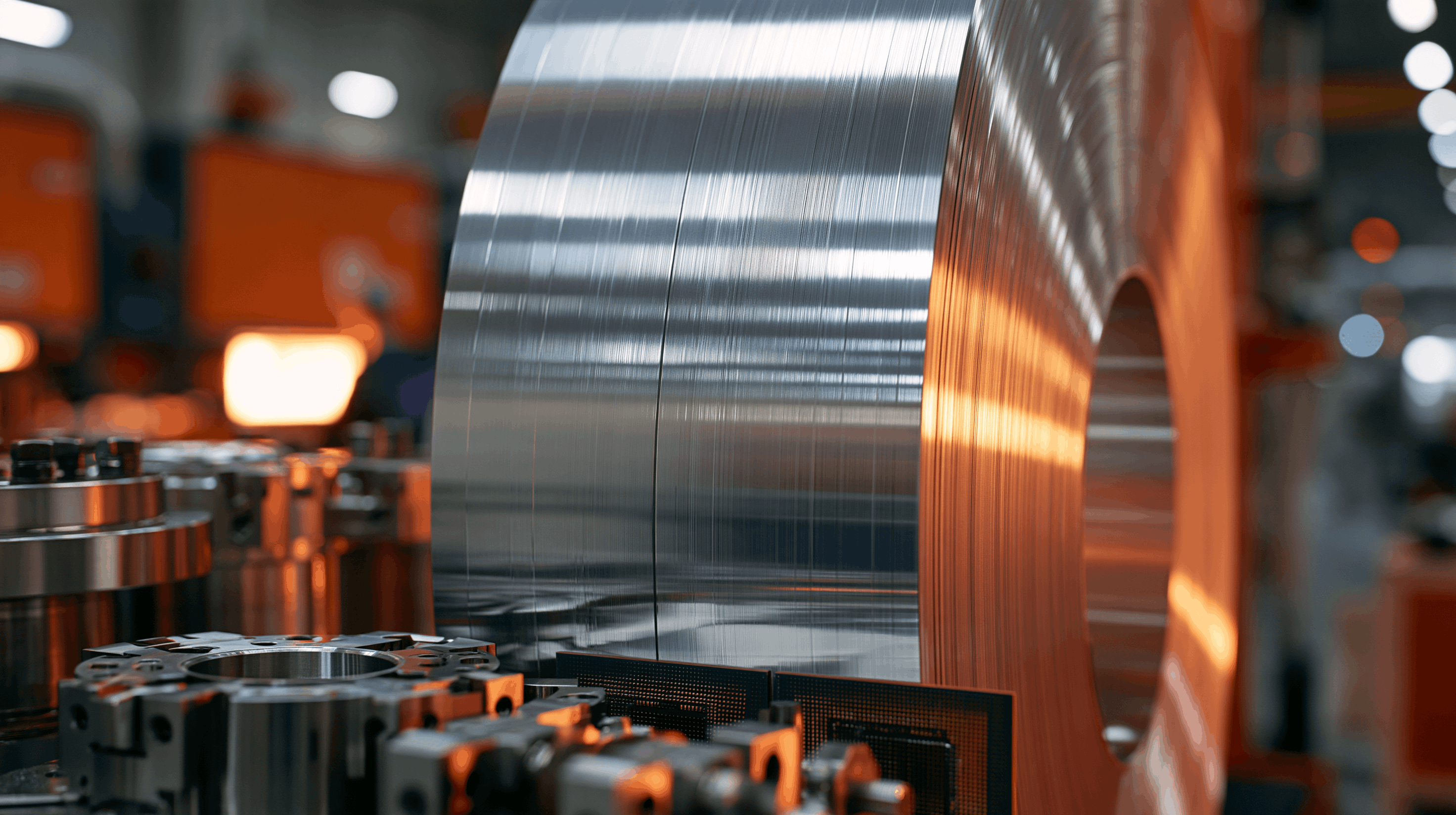
PZPS LLC in Saint Petersburg produces cold-rolled strip from steel grade 17KhNGT with diameter from 0.005 to 4.0 mm in accordance with GOST 14117-85 or TU. To order this metal and learn more about its applications, leave requests on the website or call the listed phone numbers. Our managers will answer all questions in detail and offer the most advantageous cooperation terms for you.