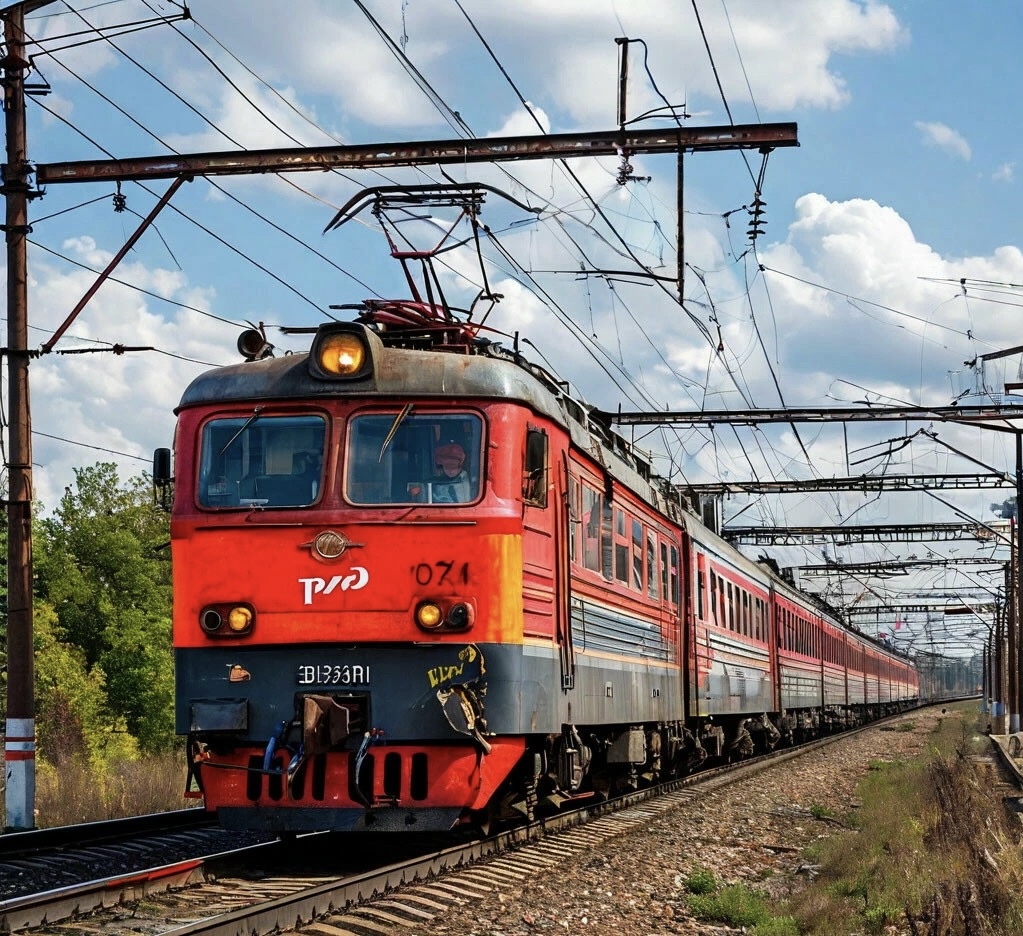
A braking resistor is part of an electromechanical system designed to dissipate excess energy as heat when braking electric motors and other devices. Its main task is to stop or slow a mechanism quickly by creating braking torque.
In rheostatic braking, electrical energy from a motor operating in generator mode is transferred to the braking resistor, where it is converted into heat and dissipated as heat.
As an electrical load, resistors are used in electric rolling stock, elevator drives, some hybrid vehicles, and various industrial equipment. For long-term safe operation of such systems it is critically important to choose strong, wear-resistant materials.
Fechral is an alloy that combines high electrical resistivity, heat resistance, elevated hardness, and corrosion resistance, making it an ideal solution for manufacturing braking resistors.
Braking resistor design: main components and their role
Main elements of a braking resistor design include:
- Housing. Protects internal device elements from external effects and overheating. It is made of non-combustible, heat-resistant materials such as ceramics or heat-strength steel, which guarantees safe equipment operation.
- Resistive element. The main component of a braking resistor. Its task is to convert electrical energy into heat by creating resistance. Therefore materials with high specific resistivity are needed so heat can be dissipated efficiently.
- Thermistors. Protect against overheating and extend braking resistor service life. They automatically monitor temperature and, when the allowable value is exceeded, shut the system down, preventing overheating and device failure.
- Terminals. Needed to connect the resistor to the electrical circuit. They must provide stable contact, excluding possible interruptions in energy supply.
Application areas of braking resistors
These devices are widely used in various industrial equipment and traction systems where energy must be converted and dissipated. They also protect equipment from overheating.
Main application areas of braking resistors:
- Industrial systems. In industry, resistors are used in various machines and mechanisms to stop electric motors and prevent their overheating.
- Vehicles. In electric and hybrid cars, braking resistors are used for energy recuperation during braking and converting it into heat.
- Motion control systems. In elevators, escalators, and similar devices, braking resistors ensure smooth, safe braking and reduce overload risk.
- Traction systems. In electric trains, trams, and similar systems, resistors help efficiently control speed and braking, ensuring safety and stable vehicle operation.
Braking resistor design ensures safe, reliable operation of various electrical systems and mechanisms. And the application spectrum covers different industries, transport, and other fields.
Why is fechral the best choice for braking resistors?
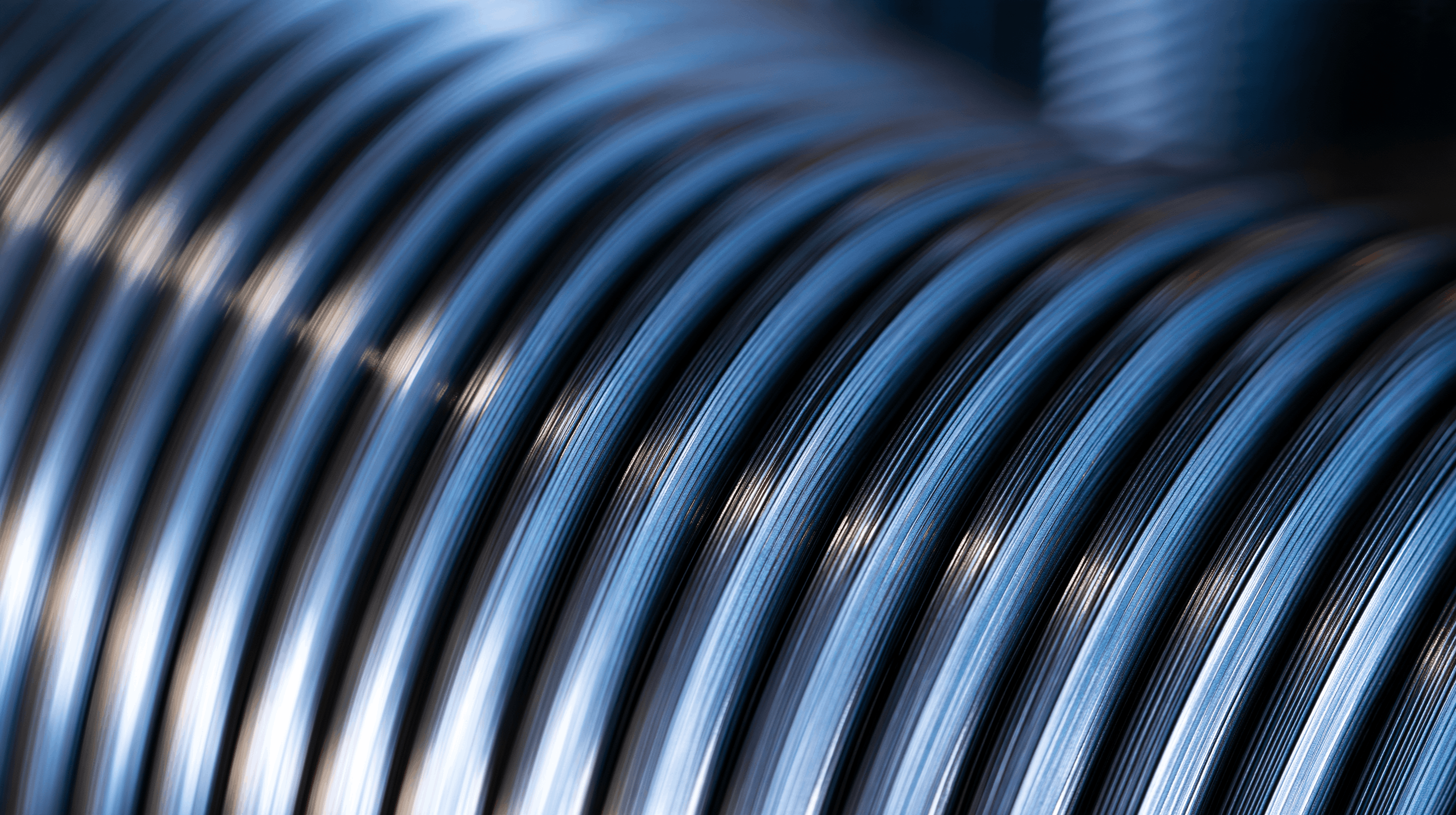
Fechral is a high-temperature alloy consisting of iron, chromium, and aluminum. It has high specific resistivity and elevated heat resistance, making it an ideal material for devices operating at high temperatures.
Advantages of fechral for manufacturing braking resistors:
- High heat resistance. Fechral withstands extreme temperatures without losing physical and mechanical properties. This is especially important for resistors, because when converting electrical energy into heat they are subject to intensive heating.
- Specific resistivity. The material has high specific resistivity, making it possible to create resistors with the needed electrical characteristics that efficiently dissipate heat in different operating modes.
- Characteristic stability. The alloy retains its physicochemical properties even under prolonged use, ensuring stable braking resistor operation under different service conditions.
- Strength. Fechral resists mechanical damage. This allows it to be used in devices subject to intensive loads and vibration.
- Durability. The material retains its characteristics for a long time, which significantly increases resistor service life and reduces maintenance costs.
- Versatility. The alloy is ideal for manufacturing braking resistors of various types and sizes, expanding its application across industries and technological processes.
- Economy. Compared with other heat-resistant materials, fechral has a relatively low cost because its structure is based on iron rather than more expensive nickel, titanium, or copper. This reduces production costs without sacrificing quality.
PZPS products: high-quality materials for braking resistors
The Saint Petersburg Precision Alloys Plant produces high-quality fechral strip of grades Kh15Yu5 and Kh23Yu5 up to 4 mm thick and 3 to 250 mm wide, suitable for various industrial equipment, vehicles, and traction systems. You can also buy cold-rolled nichrome strip and other precision materials from us:
- alloys of grades Kh23Yu5T, Kh20N80N, and Kh15N60N, which have high electrical resistivity;
- soft magnetic alloys 27KKh, 49K2FA-VI, 50N, 50NP, 79NM, 80NM, 81NMA;
- alloys 40KKhNM, 36NKhTYu, 17KhNGT used to produce various elastic elements;
- alloys with specified CTE (thermal expansion coefficient) 29NK, 36N, 42N.
Our plant’s range includes diverse steel and alloy grades, making it possible to choose the optimal material for each project’s specific requirements. Every year we introduce new production technologies and use only proven feedstock that has passed strict incoming inspection, which guarantees durability and reliability of our products. Contact us by phone at +7(812)740-76-57 or submit a request on the website. We will take all features of your project into account and select the most effective solution for your production.