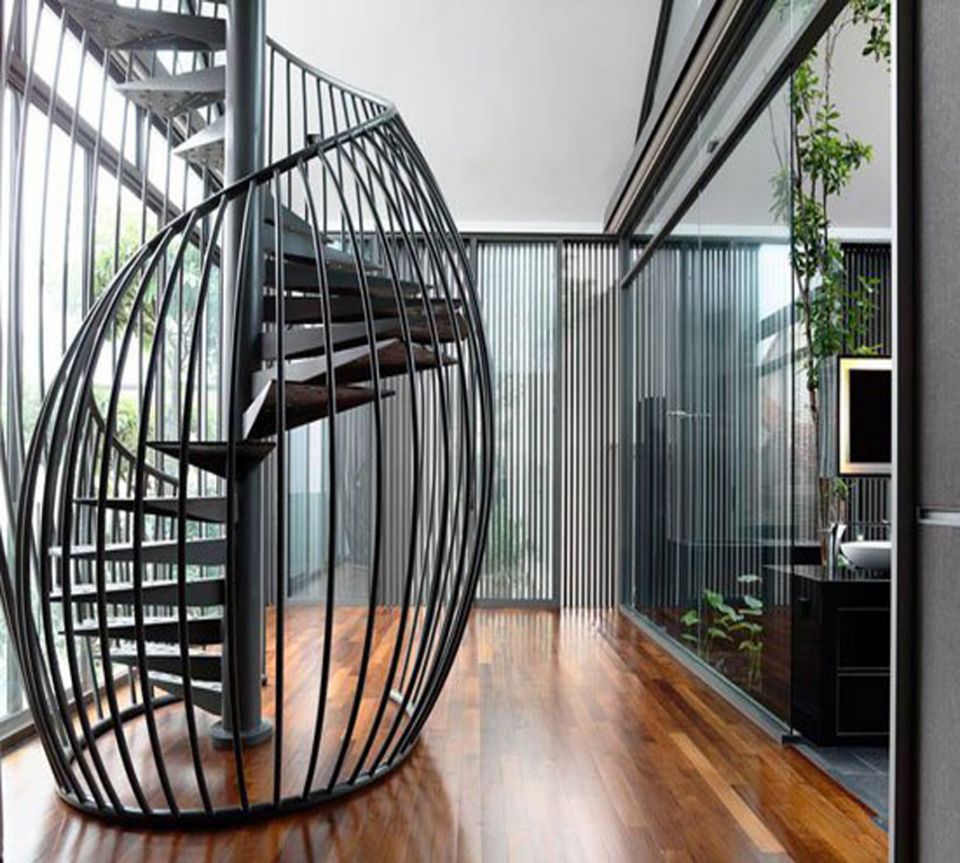
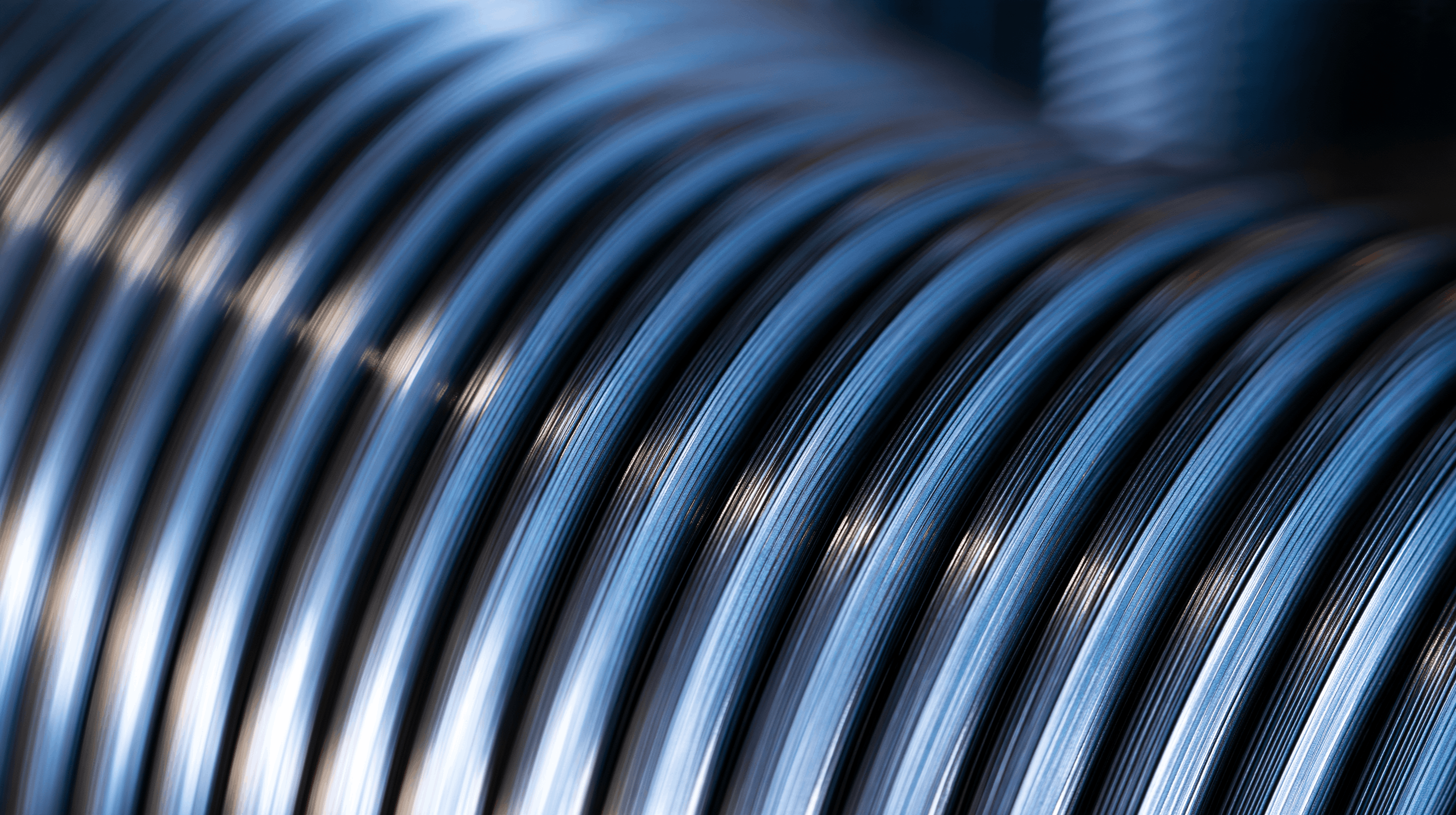
Steel and iron are traditionally associated with commercial and industrial premises. However, they also find wide use in decorating residential spaces.
The world of interior design continually develops, bringing new trends and styles. However, there is a material that stoically retains its relevance and demonstrates incredible versatility — metal. In the modern interior it has become not only a source of style but also a tool for creating unique atmospheric spaces.
It is impossible to establish the exact period when the first decorative elements from iron and steel appeared. Already in the knights’ era they were actively used in the architecture of medieval castles. Forged fireplace surrounds, door bolts and hinges, and fastening details of wooden furniture — all this was the result of blacksmiths’ work. But in those days most such elements had exclusively functional purpose. On the other hand, one can confidently assert that knightly armor, swords polished to a shine, and forged shields decorating castle interior walls were true masterpieces of medieval steel décor.
Since the appearance of the high-tech style in architecture and design, metal has become an integral part of it. Emerging in the 1970s and flourishing in the 1980s, this style brought bold forms, practicality, and minimalism into interiors. This promoted active use of glass, polymers, and of course metal, in particular stainless steel. They have a number of important qualities — strength, reliability, and durability. However, despite all advantages, an excess of metal elements can make an interior too cold and deprive it of coziness.
Alongside high-tech, the loft style is famous for its minimalism and laconicism, as well as many metal elements. In the mid-20th century bohemian tenants of closed factories, warehouses, and other industrial premises often lacked funds to remodel interiors and therefore left spaces in their original form. Thus the loft style was born, where steel stairs, concrete beams, metal pipes, and brick walls became part of the design. Over time this style went beyond revitalized industrial districts, flowing into private homes and office buildings.
Modern interior trends prove that metal can successfully integrate into almost any style — from elegant classic to cozy country. Forged elements, metal fireplace finishes, steel stair railings, mirror frames — all this is only a small part of the possibilities of using metal in design. Even vintage-style kitchenware and furniture with a metal frame quite organically complement an interior, creating a unique atmosphere.
Metal in the interior is used not only for its aesthetic features. It has a whole range of practical advantages:
Metal in the modern interior is not only a style element but also a tool for creating functional and elegant spaces. Its versatility and unique properties make it an indispensable component of modern design. However, as in any creative field, it is important to find the right balance and use metal with moderation.