Stainless steel is a high-quality alloyed material resistant to atmosphere, a humid environment, and aggressive chemical substances. It contains at least 13% chromium, thanks to which a protective oxide film forms on the alloy surface preventing spread of corrosion and destruction of the metal. Besides corrosion resistance it is characterized by elevated strength, long service life, and an attractive appearance. Below we will consider the main types of stainless steel, its main properties, and industries in which it is most often applied.
Main characteristics
Stainless alloys have a number of features that make them indispensable not only in various industrial spheres but also in everyday life.
- Corrosion resistance. The main advantage of stainless steel is its high resistance to corrosion. The protective oxide film forming on the material surface effectively resists the effect of moisture and various chemical substances (both alkalis and acids).
- Strength and wear resistance. Alloying elements such as titanium, nickel, molybdenum, and others significantly raise strength characteristics of the alloy, imparting wear resistance and resistance to mechanical damage.
- Aesthetic appearance. Corrosion-resistant alloys retain luster and smoothness throughout the entire service life, which makes them in demand in decorative and structural elements where appearance matters.
- Environmental friendliness and safety. The material does not release toxic substances into the environment, therefore it is safe for use in the medical and food industries.
- Ease of care. Products from stainless steel are easily cleaned and do not require special care, which reduces operating costs and simplifies maintenance.
Types of stainless steel
Corrosion-resistant high-alloyed alloys are classified by their structure, which determines their properties and application areas.
Austenitic steels
Contain chromium and nickel; as alloying additions may include molybdenum, titanium, and other elements. Possess high ductility and excellent impact toughness, which makes them convenient for processing, welding, and forming. Austenitic steels find application in the food, chemical, and other industries.
Grade examples:
- AISI 304 (08Kh18N10) — a universal alloy with elevated resistance to various kinds of corrosion, applied in the food and chemical industries;
- AISI 316 (08Kh17N13M2) — contains molybdenum, thanks to which it retains its original properties under the effect of aggressive environments such as acids and alkalis.
Ferritic steels
Ferritic steels include chromium in composition but lack nickel. These materials possess magnetic properties. Distinguished by good resistance to various types of corrosion. At the same time strength of ferritic steels is lower than that of austenitic ones. Such steels are widely used in cases where economy and corrosion resistance are important.
Grade example:
- AISI 430 (12Kh17) — an inexpensive alloy with good corrosion resistance in mild environments, often used for decorative elements, household appliances, and cookware.
Martensitic steels
Distinguished by high wear resistance and resistance to mechanical loads. After heat treatment they acquire elevated hardness and strength. Ideally suited for manufacturing cutting tools, machine parts, and structures working under load.
Grade examples:
- 20Kh13 — applied for producing knives and other cutting tools, valves, and springs;
- 30Kh13 — distinguished by greater hardness, used for manufacturing highly loaded parts such as blades and cutting tools.
Application areas of stainless steels
Thanks to versatility, durability, and high service characteristics, corrosion-resistant alloys find wide application in various industries:
- Food industry. Equipment and cookware contacting food products are manufactured from them. The presented materials guarantee durability and safety, since they do not react with food ingredients.
- Automotive. Used to manufacture bodies, engine parts, and other vehicle components, which ensures durability of cars.
- Construction. Applied to manufacture façade elements, roofing, fencing, and other structures where strength and aesthetic appearance are important.
- Medicine. Medical instruments, implants, and equipment distinguished by biocompatibility and high strength are produced from stainless steel.
- Chemical industry. Used to produce vessels, pipelines, and pumps that work with aggressive chemical substances and at high temperatures.
- Energy. Applied in gas and oil pipelines, power plant equipment, and other facilities where reliability and resistance to aggressive service conditions are important.
- Household appliances. Used to produce refrigerators, washing machines, gas and electric stoves, heating boilers, and other household appliances, giving equipment an attractive appearance and facilitating care for it.
Stainless steel produced by PZPS
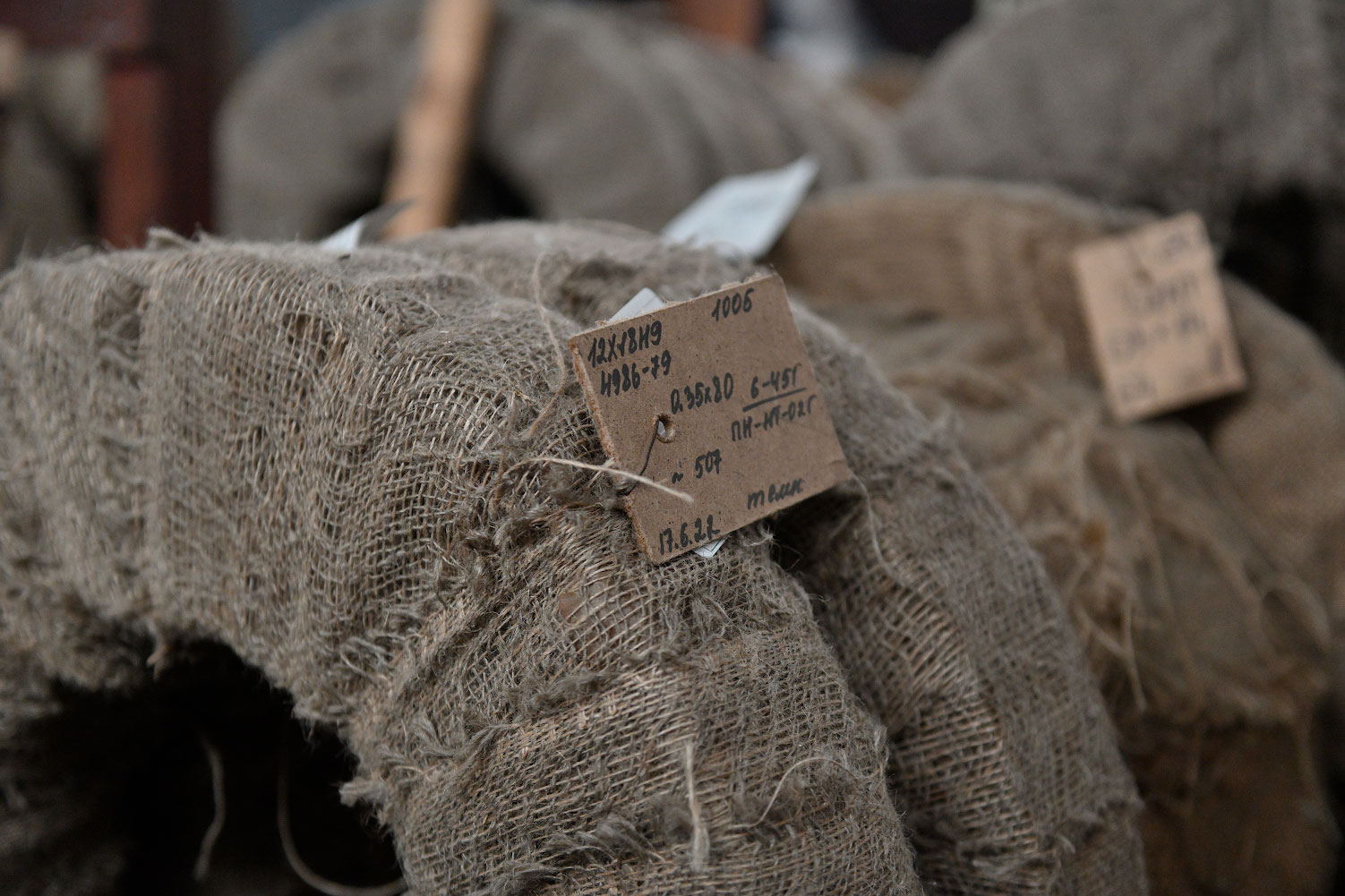
PZPS releases high-quality stainless steel including martensitic steel grade 20Kh13 and austenitic steels grades 12Kh18N9, 12Kh18N10T, 10Kh17N13M3T. The company also offers manufacturing of other steel grades to individual customer requests. All products conform to strict quality standards, ensuring durability and reliability in service.
From us you can buy cold-rolled strip from an analogue of Inconel 718 and other foreign materials, as well as order development of new alloys to the technical requirements of your project. For consultation and placing an order contact us at +7 812 740-76-57 or leave a request on the website. We will help select a solution ideally suited for your production.