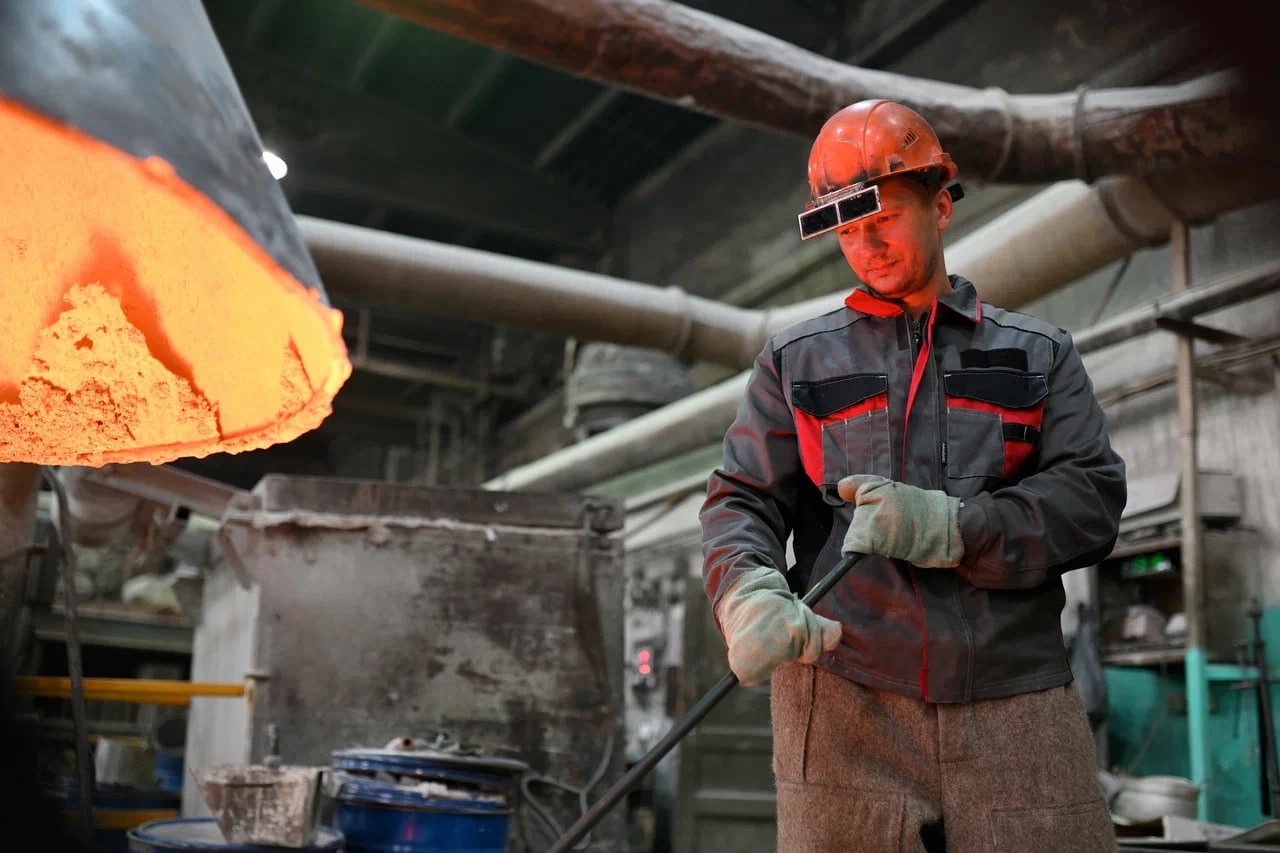
The rate at which a producer cools steel can affect its strength at the molecular level. The time steel is held at critical temperatures during cooling also plays an important role. Two steel sheets with the same alloy content can have different grades depending on the heat-treatment process. Long ago our ancestors noted: “Iron and steel come from the same furnace: one becomes a sword, the other a donkey’s horseshoe.”
Steels are classified by chemical and structural composition, quality, degree of deoxidation and character of metal solidification, and by purpose. In this article we consider the four main, most popular groups: carbon, alloyed, stainless, and tool.
The most popular steel type: its share of total production is about 90%. Besides carbon and iron it contains only trace amounts of other elements. Carbon steel is divided into three main subgroups depending on carbon content: low-carbon steels (mild steels) — up to 0.3% carbon, medium-carbon steels — 0.3–0.6% carbon, and high-carbon steels — more than 0.6% carbon.
Not too high production cost and sufficient strength for construction use are the two main reasons carbon steel ranks first in total steel output. Its applications include manufacturing various tools, elements of complex metal structures, machines and mechanisms, cold-formed products, and hot forgings. The main condition: these products will not be used in an aggressive environment.
Created by adding nickel, copper, chromium, and aluminum to iron, carbon, and manganese. These elements raise strength and corrosion resistance, impart ductility, and improve machinability.
Alloyed steel is used in the oil industry, power engineering, and the chemical industry, and also to create special structures operating under strong contrast and significant swings of working temperature.
Contains 10–20% chromium as an alloying element, as well as other metals: nickel, silicon, manganese, and carbon. This steel type is characterized by high corrosion resistance and high suitability for outdoor structures, since it has elevated ability to withstand harsh weather.
Stainless steel is also widely used in medicine and the food industry.
Thanks to tungsten, molybdenum, cobalt, and vanadium in the composition, which raise heat resistance and overall durability, such steels are used in cutting and drilling equipment. In addition, they retain their shape under intensive use, making them ideal for most hand tools.
Besides those listed above, steels may be structural, special-purpose, rimmed, killed, and others — we will certainly cover them in future articles.