Parts and components made from precision alloys, despite their small sizes, play an important role in developing electronic devices. They are used as sources of main signals, amplifiers, and filters, and directly affect the accuracy and reliability of the equipment created.
Most precision alloys are manufactured on the basis of such elements as iron (Fe), nickel (Ni), cobalt (Co), copper (Cu), and niobium (Nb). These materials play a key role in electronics and high-precision instruments thanks to their unique physical-mechanical properties, making them the best choice for creating complex technical apparatus and innovative equipment.
Precision materials have a number of features thanks to which they have long been considered an indispensable material for creating high-precision equipment. Among key qualities the following can be distinguished:
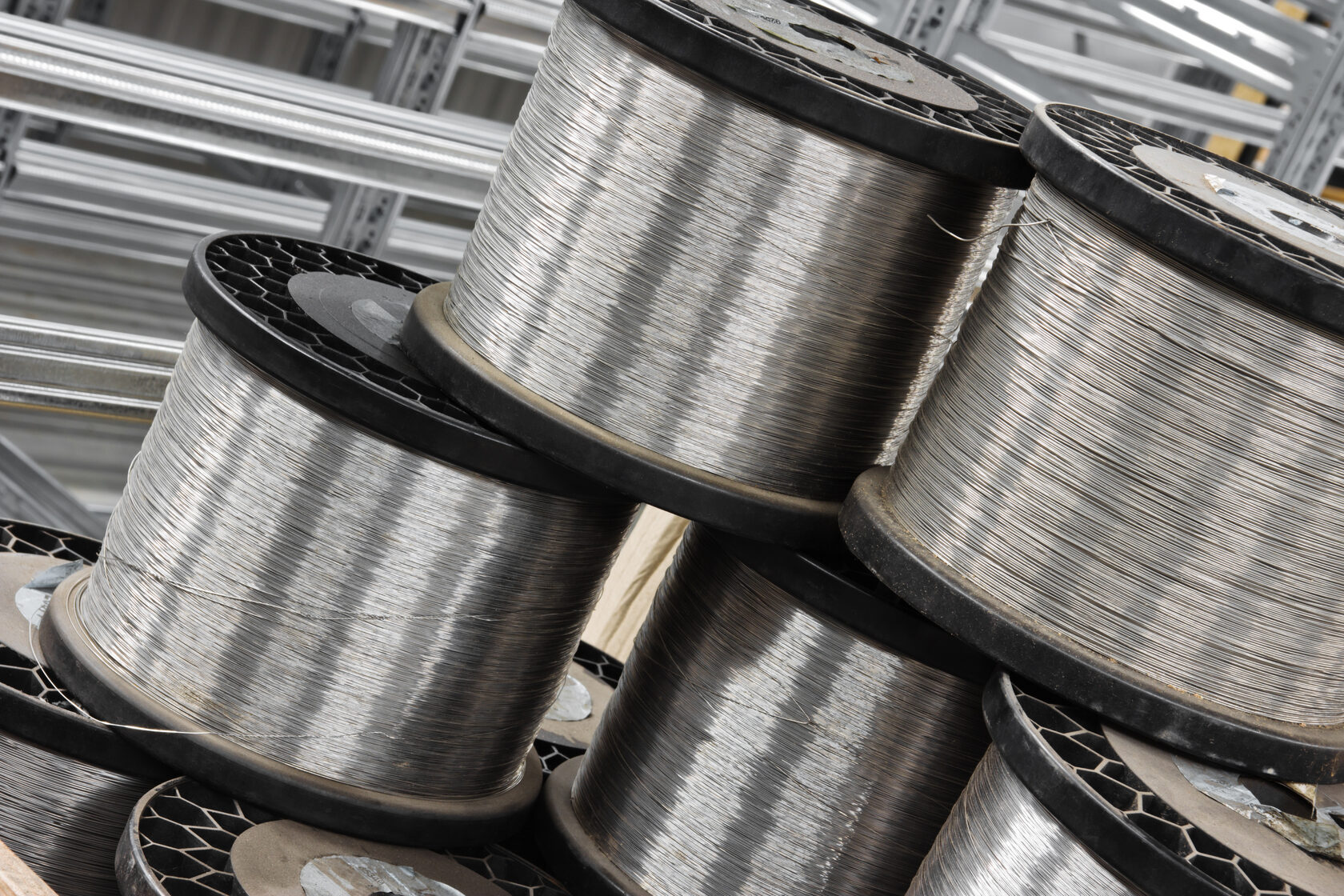
Precision alloys are necessary for developing high-precision instruments and apparatus such as sensors, gyroscopes, magnetic compasses, as well as for manufacturing elements of household appliances including televisions, radio receivers, electric heating devices, timers, and clock mechanisms. Depending on the intended application, these alloys may be produced in various forms such as tubes, sheet and shaped products, cold-rolled strip, foil, bars, and wire.
Precision alloys play an important role in producing electronics and microprocessor technology, ensuring high accuracy, stability, and reliability under the most diverse operating conditions. Their unique physical-mechanical characteristics and precise chemical composition make them an indispensable material for creating modern high-precision instruments and technical devices.
The PZPS plant in Saint Petersburg releases precision materials of various grades in strict accordance with GOST 10994-74 or customer technical specifications. Call the listed phones or leave requests on the website. Our specialists will answer all questions of interest and explain cooperation terms in detail.